How are you feeling right now?
Why Your Toddler Won't Share
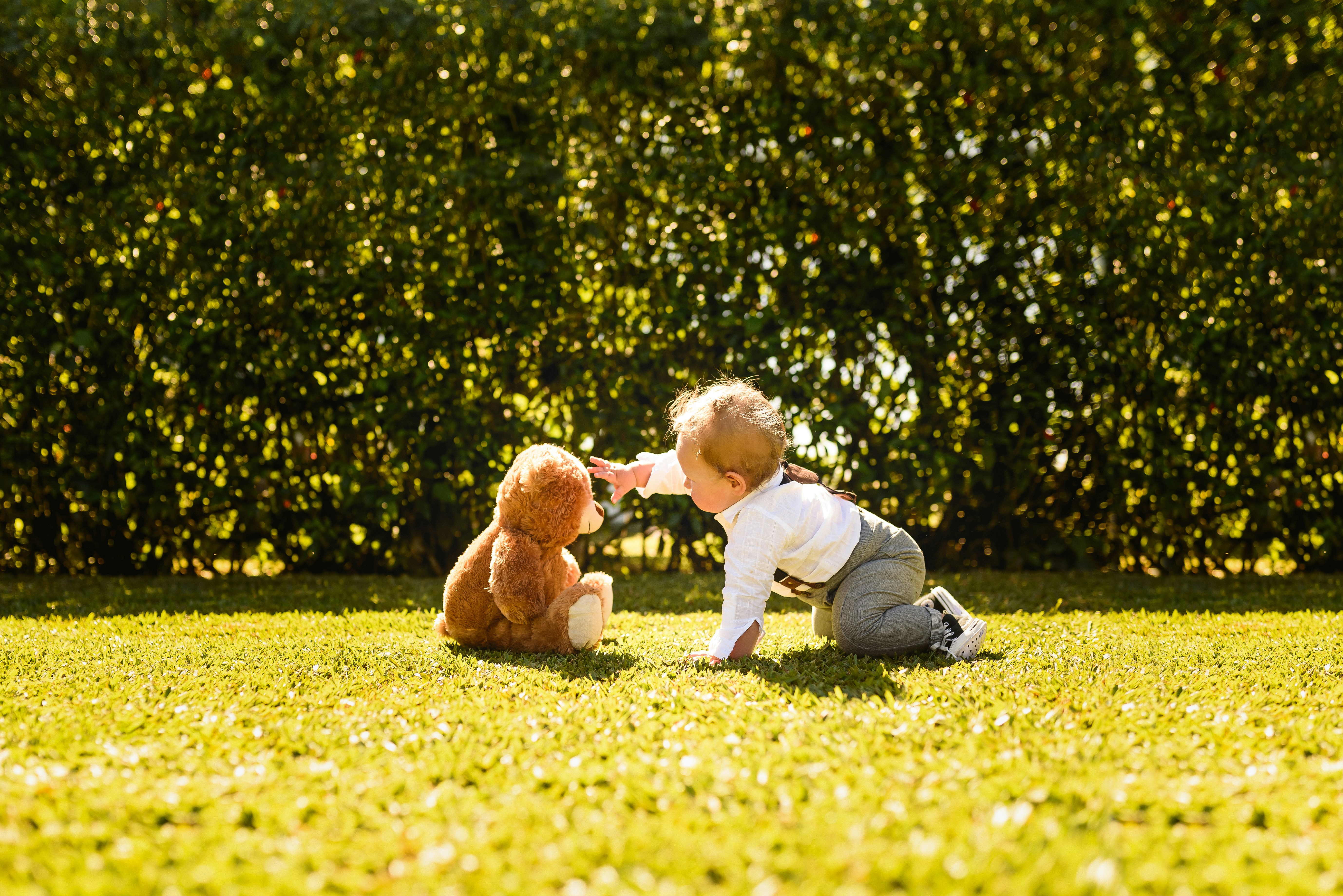
As you're reading, what's true for you?
Let's be honest: watching your toddler snatch a toy away from a friend and shriek "MINE!" can be mortifying. You feel every other parent's eyes on you, and a little voice in your head whispers, "Is my child going to grow up to be a toy hog? Am I failing at this parenting thing?"
Take a deep breath. You are not alone, and your child is not on a path to selfishness. In fact, their refusal to share is a sign that their brain is developing exactly as it should. Welcome to the "Me do it" stage, where the foundation for independence is being built, brick by brick. [1]
"I literally hid in the bathroom after my 2-year-old grabbed a toy and yelled 'MINE!' at our playdate. I was so embarrassed."
— Anonymous parent (we've all been there)
The research on toddler sharing is decades old and remarkably consistent yet it rarely reaches parents in a form they can actually use in the middle of a playdate meltdown. That's the gap this guide tries to close: what the evidence says, translated into words you can say out loud.
1. The Toddler Brain is a "Me-First" Machine
(And it has to be!)
Think of your toddler's brain like a house under construction. The foundation is being poured, but the wiring for empathy and impulse control isn't installed yet. That part of the brain, the prefrontal cortex, won't be fully online for another 20 years! [2]
When your toddler grabs a toy, they aren't being mean. They are operating on pure instinct. To them, that toy isn't just a possession; it's an extension of their own body and a source of comfort and control in a world that is huge and confusing. [3] Their brain is wired to protect what feels like "theirs" because it feels like protecting themselves. Understanding this simple fact changes everything about how you view these daily struggles.
"A toddler's possessiveness isn't greed, it's the birth of identity. They're not saying 'I want that,' they're saying 'I exist.'"
2. The Magic Word Isn't "Share," It's "Mine!"
It sounds counterintuitive, but hearing your toddler declare ownership is actually a huge developmental win. The "mine!" phase is the verbal expression of a child discovering their identity. They are learning the difference between "me" and "you," and "mine" and "yours." [5]
This sense of ownership is the first step toward true generosity. Think about it: you can't truly give something away unless you first understand that it's yours to give. A child who is allowed to feel secure in their ownership today ("This is your truck, and you are playing with it") is the child who will eventually feel secure enough to lend it to a friend tomorrow. We are playing the long game here. [6]
3. Sharing is Actually a Super-Skill
We often treat sharing as one simple act, but let's break down what we're actually asking a toddler to do:
- 🧠 Empathy: Understand that another child is sad.
- 🛑 Impulse Control: Stop yourself from playing with the cool toy you have.
- ⏳ Patience: Wait for an unknown amount of time.
- 🤝 Trust: Believe that this other kid will actually give the toy back.
That's like asking a toddler to solve a Rubik's Cube! Their brains simply cannot juggle all these complex skills at once. Expecting them to do so only leads to tears and frustration for everyone. [7]
4. The "Forced Share" Trap: Why It Backfires
It's tempting to step in and force a solution. "You have to share, give it to your brother NOW!" But research and child development experts suggest this can actually backfire. [8]
Forcing a child to give up a toy can:
- Make them cling to their possessions even more tightly next time.
- Teach them that their feelings (like attachment to a special toy) don't matter.
- Create a power struggle where the toy becomes a battleground for control.
Instead of learning generosity, they learn that might makes right, or that adults will always step in to take things away. The goal is to guide them toward wanting to be generous, not forcing them to comply. [9]
When we force children to share, we interrupt the natural development of generosity. True sharing comes from within, not from pressure.
5. Your New Best Friend: "Turn-Taking"
So, if we don't force sharing, what do we do? We teach turn-taking. It's the toddler-friendly version of sharing. [11]
Try this script:
❌ "Can you share the ball?" ✅ "Sarah is playing with the red ball right now. It's her turn. When she's all done, it will be your turn!"This approach is a game-changer. It:
- Validates that the current player has a right to the toy.
- Gives the waiting child a clear, predictable promise.
- Teaches patience and a basic sense of fairness.
6. Playdate Prep: Set the Stage for Success
Most sharing meltdowns are predictable. You can dramatically reduce the chaos by doing a little prep work before a friend comes over. [12]
The "Yes" Basket
Put away the absolute favorite, non-negotiable toys. These are for solo play only. No one is expected to share their lovey or a brand-new birthday gift. [13]
Duplicate, Duplicate, Duplicate
If you know a child is coming over who loves trucks, make sure you have two similar trucks available. It's amazing how a "conflict of interest" disappears when both kids have a shovel in the sandbox.
The 5-Minute Warning
Before the playdate starts, get down on their level and give a simple heads-up. "Lucy is coming over soon! She might want to play with your blocks. Let's decide which special toys we want to put away in your room for later."
7. Be the "Sharing" Show
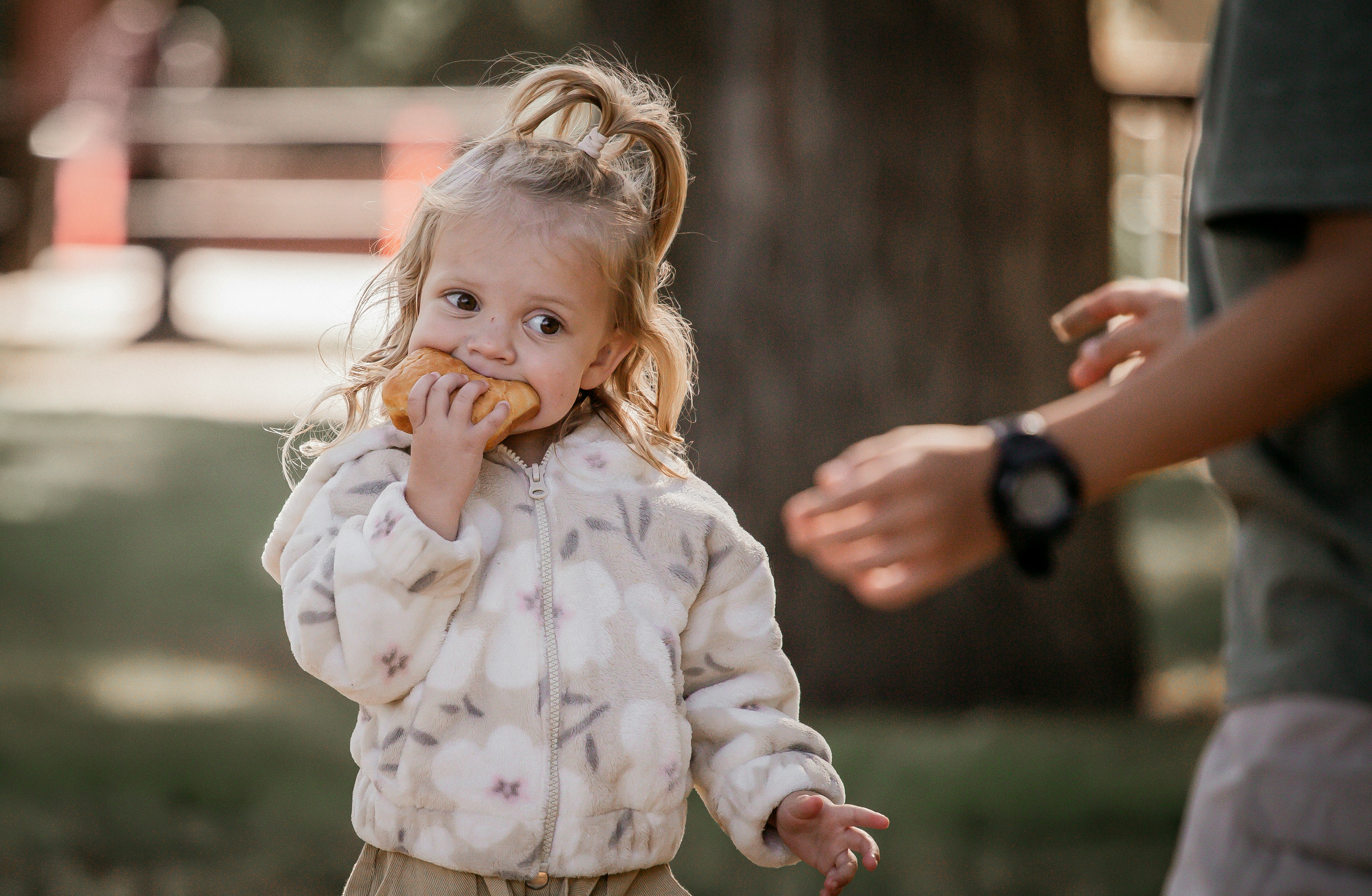
Toddlers are little copycats. They learn more from watching you for five minutes than from a half-hour lecture. Look for opportunities to model generosity naturally in your daily life. [14]
- ✨ "Mmm, this cracker is yummy. Do you want to share some of my cracker? Here you go!"
- ✨ "I'm going to share my pen with Daddy so he can write his list."
- ✨ "Look, the birdies are sharing the seeds on the ground."
You are building a mental library of what "generosity" looks like, which they will draw from when their brain is finally ready. [15]
8. The Power of "You Really Want That"
Before you can solve a problem, you have to acknowledge the feeling. When a meltdown is brewing, park the lesson and connect with the emotion first. [16]
Get close, make eye contact, and use a calm voice. "Oh! You really want to keep playing with the bunny. It's your favorite. It's hard to give it up."
That's it. You're not giving in, and you're not taking sides. You are simply acting as their emotional anchor. Once a child feels heard, the storm often calms, and they become open to your next suggestion ("When you're done, it's Liam's turn"). [17]
Pause & reflect
- Think back to the last toy struggle what was your child really feeling in that moment?
- What's one toy your child considers absolutely sacred (their "never share")?
- If you validated their feelings first, how might the outcome have been different?
A Letter From Your Future Self
A creative imagining what you might tell yourself looking back
Dear tired parent,
I'm writing this from a year ahead. I know you're in the thick of it right now the "MINE!" screams over every toy, the playdate embarrassments, the exhaustion of mediating every single conflict.
Here's what I want you to know: Every time you knelt down and said, "It's her turn now, then it's yours," you were teaching patience. Every time you acknowledged, "You really wanted that truck," you were building trust. Every deep breath you took instead of yelling was a lesson in emotional regulation that they absorbed without you even realizing it.
The toddler who once shrieked "MINE!" over a blue cup will soon say, "Can I have a turn when you're done?" The child who collapsed when asked to share will eventually offer their favorite toy to a crying friend. You didn't fix them overnight. You showed up, again and again, until they learned to share from the inside out.
Thank you for not giving up. Thank you for understanding that "mine" wasn't selfishness, it was the first chapter of learning to give. You are the reason they will know how to take turns, offer comfort, and share their heart.
With so much love,
You one year wiser, and so proud of
who you were becoming in these hard moments.
9. Catch Them Being Kind
Positive reinforcement is rocket fuel for toddler development. The goal is to make them feel like a million bucks when they do something prosocial. [18]
The first time your toddler willingly hands a toy to someone, or waits somewhat patiently for a turn, shower them with specific praise.
This connects the feeling of pride and connection with the act of generosity. They'll want to do it again just to feel that way.
Before you go...
How did this article stay with you? Your small reaction helps this space grow with more meaningful stories.
Before you go...
How did this article make you feel? Your small reaction helps this space grow with more meaningful stories. 💛
10. The Long Game: Trust the Process
Real, heartfelt sharing isn't a switch that flips on the third birthday. It's a slow, beautiful unfolding that happens over the next few years. Between 3 and 5, you'll start to see glimpses of it a toy offered to a crying friend, a turn willingly given. [19]
"Play is often talked about as if it were a relief from serious learning. But for children, play is serious learning. Play is really the work of childhood."
What's your "mine" moment?
Anonymous · Only you and the universe know
A Gentle Reminder for the Trenches
When you're in the middle of a playdate war zone, remember this: Your toddler's inability to share right now is not a reflection on your parenting or their future character. It is simply proof that they are exactly where they need to be in their development.
Be patient with them, and be patient with yourself.
By providing a safe, understanding, and guiding hand, you are nurturing the roots of empathy that will one day bloom into a truly generous heart.
About this article: This educational guide was written by Shobini Padmanapan, an independent wellness writer and editorial researcher at SoulSpace. It synthesizes publicly available research on toddler sharing development, the "mine" phase, and early childhood social-emotional learning.
Scope: Educational and informational only. Not clinical advice, diagnosis, or treatment.
Author profile: soulspaceguide.com/authors/shobini-padmanapan
Answers to Questions You Might Hold
Your toddler's brain is literally not wired for sharing yet. The prefrontal cortex responsible for impulse control and empathy won't be fully developed for another 20 years. When they grab a toy, they're operating on survival instinct, not selfishness. [2]
Absolutely! The 'mine!' phase is actually a huge developmental milestone. It's the verbal expression of your child discovering their identity learning the difference between 'me' and 'you.' This sense of ownership is actually the first step toward true generosity. [5]
Child development experts suggest forced sharing often backfires. It can make children cling to possessions more tightly, teach them their feelings don't matter, and create power struggles. Try turn-taking language instead. [8][9]
Real, heartfelt sharing typically emerges between ages 3 and 5. Before that, children may show glimpses of generosity, but true sharing requires complex skills empathy, impulse control, patience, and trust that their developing brains are still building. [19]
Use turn-taking language, prepare ahead for playdates by putting away special toys, model generosity in daily life, acknowledge feelings first, and offer specific praise when they show any prosocial behavior. [11][12][14][16][18]
How do you feel now after reading?
Quick Reference Card
📄 Save or printFound this helpful? Share it with someone who needs it.
Written by Shobini Padmanapan · SoulSpace
References
- Moore, C. (2013, July). What's yours is mine: Understanding the possessive toddler. Today's Parent, p. 54. Research from the Early Social Development Lab at Dalhousie University explains how the "me" and "mine" stage reflects a toddler's emerging understanding of themselves as separate individuals. [citation:1]
- Steinbeis, N. (2018). Neurocognitive mechanisms of prosociality in childhood. Current Opinion in Psychology, 20, 30-35. This review details how the prefrontal cortex undergoes protracted development well into adolescence, directly impacting sharing and helping behaviors. [citation:2][citation:7]
- Williams, J. (2019, August). "Mine!" Why it's an important stage of your child's development. GymbaROO-KindyROO. Discusses how self-recognition emerging around 18 months transforms how toddlers process ownership and memory. [citation:8]
- Gerber, M. (2016). Your Self-Confident Baby: How to Encourage Your Child's Natural Abilities — From the Very Start. Parent Child Press. Gerber's RIE approach demonstrates that respecting a child's attachment to objects is foundational for developing authentic generosity. [citation:10]
- Piaget, J. (1951). Play, Dreams and Imitation in Childhood. Norton. Piaget's foundational work on egocentrism explains why children under 7 see the world solely from their own perspective, which manifests in possessiveness. [citation:3]
- Crary, E. (2013). The Secret of Toddler Sharing: Why Sharing Is Hard and How to Make It Easier. Parenting Press. Offers practical, evidence-based strategies for teaching toddlers to share through turn-taking, trading, and modeling. [citation:6][citation:11]
- Volling, B. L., et al. (2025). "You need to take turns!" Sibling sharing and the emergence of conscience in early childhood. University of Michigan. Longitudinal research showing that turn-taking with siblings predicts the development of fairness, empathy, and moral regulation. [citation:4][citation:9]
- Lansbury, J. (2011, October). These toddlers are not sharing (and that's okay). Janet Lansbury Blog. Argues that forced sharing interrupts the natural development of generosity and creates unnecessary power struggles. [citation:9]
- Steyn, K. (2018, September). How to survive your child's 'mine!' phase. Clicks. South African counseling psychologist explains egocentric thinking in 2-4 year olds and why negotiation skills matter more than forced sharing. [citation:13]
- Gerber, M. (n.d.). Dear Parents: On sharing and conflict. Resources for Infant Educarers (RIE). Gerber advises that sharing cannot be taught, only modeled, and that children need to feel secure in ownership before they can truly give. [citation:10][citation:5]
- The Mentor Mom. (n.d.). Tips for teaching toddlers to share: Why "turn-taking" works better than "sharing". Turn-taking language validates the current player's rights while teaching patience and fairness. [citation:11]
- Walsh, E. (2022, July 16). Teaching toddlers to share: Do's and don'ts for playdate success. Moshi Kids. Practical strategies for preparing the environment before playdates to reduce predictable sharing conflicts. [citation:12]
- ParentCo. (2017, February 8). Why teaching your toddler to share is a waste of time (and what to do instead). Parent.com. Introduces the "Yes Basket" concept as a way to respect children's attachments and reduce playdate conflict. [citation:13]
- Sanders, M. (2016, January 21). What if kids can't bear to share? Modeling generosity in everyday life. Triple P Parenting. Children learn generosity primarily through observing modeled behavior rather than direct instruction. [citation:14]
- Thomas, L. (2024, December 18). Teaching toddlers to share: A gentle guide. Doddl. Consistent modeling of generosity creates a "mental library" that children draw from when developmentally ready. [citation:15]
- Cleveland Clinic. (2025, March 24). How to teach sharing to young children: Building empathy and emotional regulation. Health Essentials. Validating a child's emotion before correcting behavior helps them feel heard and opens them to learning generosity. [citation:16]
- Raising Children Network (Australia). (n.d.). Sharing and learning to share: A guide for parents of toddlers. Validating feelings first acts as an emotional anchor, calming the storm and opening the child to solutions. [citation:17]
- Zero to Three. (2017, August 11). Helping young children with sharing: What parents need to know. Specific, labeled praise reinforces prosocial behavior more effectively than generic praise. [citation:18]
- Parents Place Staff. (2024, October 6). "Mine, mine, mine!": 7 ways to encourage sharing in toddlers. Jewish Family and Children's Services. True sharing typically emerges between ages 3 and 5 as the brain develops impulse control and empathy. [citation:19]
- Families for Life (Singapore). (n.d.). Toddlers and sharing: Practical strategies for parents. Play is the "work of childhood" through which children learn identity, boundaries, and relationships. [citation:20]
Citations are provided for educational and commentary purposes under fair use. All sources remain the property of their respective authors and publishers. These references are offered as further reading to support the developmental concepts discussed in this article.
You are doing better than you think.
The next time you hear "MINE!" echoing through the playroom, take a breath and smile just a little. That small, fierce voice is the sound of a person being born. And you get to be the one who guides them, gently, toward the day when "mine" naturally, beautifully, becomes "yours."
—
Related Articles You May Find Helpful
Continue Your Developmental Journey
Your Quick Guide to Toddler Sharing
Everything you need to know in 3 minutes
🧠 Why Toddlers Don't Share
💝 What To Do Instead
🚫 What NOT To Say
✨ The Long Game
💛 The Heart of It
When you hear "MINE!" echoing through the playroom, take a breath and smile.
That small, fierce voice is the sound of a person being born.
And you get to be the one who guides them, gently, toward the day when "mine" naturally, beautifully, becomes "yours."
Be the first to share your thoughts anonymously or with a name.