When Healing Changes Your Personality
As you're reading, what's true for you?
Anonymous · real-time counts
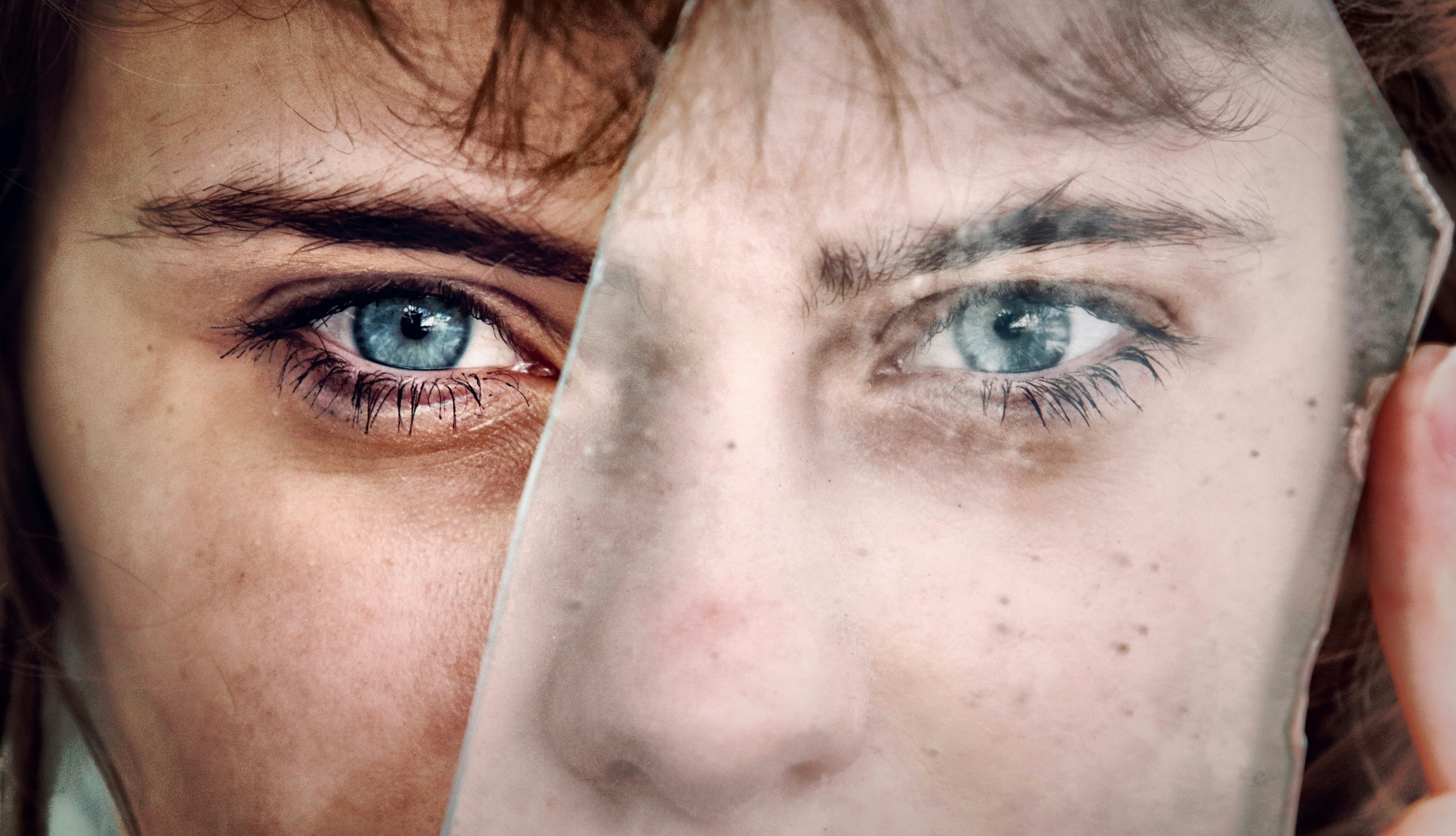
You're sitting with people you've known for years. They're laughing about something that would've once pulled you in. But now? You feel nothing. Not in a cold way. More like you're watching a movie you've outgrown.
Someone turns to you and says, "You're so quiet lately. What's wrong?"
You smile and say, "Nothing. Just tired." But that's not the full truth, is it?
📖 When you start seeing yourself more clearly and compassionately, you may begin to view some relationships differently even finding them disappointing or sad compared to what you once thought.[1]
Let's check in with you first
Before we dive deep, take five seconds and be honest in the last six months, have you...
"We don't have to do all of it alone. We were never meant to."
What actually changes in you
Your nervous system was a smoke alarm that went off when someone burned toast. Now it only rings for actual fire. [4]
You used to shape-shift. Now you show up as yourself. Some people only loved the shape-shifter. [5]
Before, 'yes' came from fear. 'No' came with guilt. Now your words have weight.
You might cry less but feel deeper. Old triggers lose power. New emotions show up like grief for time you lost being someone you weren't. [6]
If you're relating to this feeling of outgrowing your old self, you might also find comfort in Late Bloomer Success: Overcoming Timeline Anxiety about finding peace with your own pace.
The hard truth: why people feel uncomfortable
When people say "You've changed" in that weird tone here's what's actually happening on their side:
"The wildness that was once a survival mechanism becomes a source of freedom."
The grief nobody warns you about
They show you the highlight reel: empowerment, peace, self-love. But nobody warns you about the grief.
[8] As trauma recovery specialist Cristi Bundukamara explains, rebuilding your identity doesn't mean ignoring pain it means allowing both grief and growth to coexist, using that tension to create something new. You may not feel like the same person you were before, and that's okay. Your compassion, wisdom, and grit are still there some pieces may just be buried and ready to be uncovered.
[9] Research on post-traumatic growth shows that people who experience difficult life events often report positive changes in how they see themselves, their relationships, and their priorities. This isn't about minimizing the pain, it's about recognizing that growth and grief can live in the same space. When healing changes how you show up in the world, it's not that you've become a stranger, it's that you've become more fully yourself.
A letter from you, one year from now
Dear you,
I know you're in that strange, hollow place right now. The one where you don't recognize your reflection and your phone is quiet in a way it never used to be.
I need you to know something: this silence isn't emptiness it's clearing.
The people who left? They weren't pushed away by the new you. They were never anchored to the real you at all. They were anchored to what you did for them, how you made them feel, the version of you that never disagreed or took up space.
And the person you're becoming? She's not cold. She's discriminating. She's not broken. She's unlearning. She's not lost. She's just no longer willing to be found in places that never really saw her.
Stay here. Let the quiet do its work.
With so much love from the other side,
— You, in a
year
This journey of becoming someone new often connects to Rebuilding Self-Trust After Betrayal or Mistakes because learning to trust the new you is its own quiet triumph.
The three griefs of healing

The two kinds of loneliness
Old Loneliness
- Being surrounded but feeling invisible
- Abandoning yourself so others stay
- Numbness you couldn't shake
- Begging people to meet you
- Staying small to fit in
New Loneliness
- Being alone but seen by yourself
- Honoring yourself even if others leave
- Sadness you can actually feel
- Waiting for those who can meet you
- Standing tall even if alone
One loneliness empties you. The other rebuilds you.
[10] Research shows that a strong sense of identity helps you adapt to changes acting as an anchor that allows you to navigate life's shifts without feeling chaotic or frightening.
Before you go...
How did this article make you feel? Your small reaction helps this space grow with more meaningful stories. 💛
A small exercise for you
Finish this sentence honestly: "One thing I miss about the old me is..."
And this one: "One thing I would never trade back is..."
Stored only in your browser
🌱 What part of this felt most true for you?
"You are the sky. Everything else is just the weather."
Answers to questions you might hold
Does healing actually change your personality?
Yes, not into a different person, but into who you'd be without survival layers. Old coping drops, boundaries appear, your nervous system calms. That feels like personality change because you're no longer performing.
[11] Research indicates that regions of the brain like the amygdala (fear center) and prefrontal cortex (decision-making) are altered by trauma. The amygdala becomes overactive, keeping you alert, while the prefrontal cortex loses some ability to calm intense emotions. What begins as survival can persist as daily patterns until healing rewires the system.
Why do people get uncomfortable when you heal?
Your growth is a mirror. When you set boundaries, it shows others where they haven't. Most aren't mad at you, they're uncomfortable with what your healing reveals about their own lives.
Am I becoming cold or just healthy?
Cold people don't worry about being cold. If you're asking, you're likely becoming healthy quieter but not closed, selective but not judgmental. True coldness doesn't question itself.
Found this helpful? Share it with someone who needs it.
Written by Shobini Padmanapan · SoulSpace
About this article: This educational guide was written by Shobini Padmanapan, an independent wellness writer and editorial researcher at SoulSpace. She does not hold clinical or medical credentials and her work is for educational purposes only. It synthesizes publicly available research on identity change, post-traumatic growth, and the emotional landscape of healing.
Scope: Educational and informational only. Not clinical advice, diagnosis, or treatment.
Author profile: soulspaceguide.com/author-shobini.html
If people don't recognize you anymore, maybe it's because you finally recognize yourself.
You're not becoming harder to love. You're becoming harder to manipulate, harder to guilt, harder to shrink. And the people who are capable of real love? They won't find you harder to love at all. They'll find you easier because for the first time, they're actually meeting you.
Not the version that performed. Not the version that hid. You.
—
Quick Reference Card
← Save or print thisReferences & Further Reading
- Brickel, R. (2024, August 26). Healing From Trauma: You Might See Your Relationships Differently. CPTSD Foundation. https://cptsdfoundation.org/2024/08/26/healing-from-trauma-you-might-see-your-relationships-differently/
- Matheny, C. (n.d.). Your Personality Isn't You It's a Survival Strategy. https://clintmatheny.com/your-personality-isnt-you-its-a-survival-strategy/
- Rogers, C. R. (1957). The necessary and sufficient conditions of therapeutic personality change. Journal of Consulting Psychology, 21(2), 95–103. https://doi.org/10.1037/h0045357
- Growth Thru Change. (2025, October 8). When Trauma Becomes Your Personality. https://growththruchange.com/blog/when-trauma-becomes-your-personality/
- Rogers, C. R., & Dymond, R. F. (1954). Psychotherapy and personality change: Co-ordinated research studies in the client-centered approach. University of Chicago Press.
- Haeyen, S., et al. (2024). Making meaning of one's own life story in words and images: A narrative case report of personal recovery from personality disorder. Journal of Clinical Psychology, 80(8), 1736–1753. https://doi.org/10.1002/jclp.23690
- Dr. Teralyn. (2025, July 29). Why Some People Don't Want You to Heal. https://drteralyn.com/why-some-people-dont-want-you-to-heal/
- Bundukamara, C. (2025, November 3). Who Am I Now? Rebuilding Identity After Trauma. Psychology Today. https://www.psychologytoday.com/us/blog/empowered/202511/who-am-i-now
- Jayawickreme, E., & Blackie, L. E. R. (2014). Post-traumatic growth as positive personality change: Evidence, controversies and future directions. European Journal of Personality, 28(4), 312–331. https://doi.org/10.1002/per.1963
- Salters-Pedneault, K. (2026, March 31). The Role of Identity in Psychological Well-Being. Professional publication.
- ReachLink. (2026, March 13). Does Grief Change Your Personality? Identity Reconstruction After Loss. https://reachlink.com/advice/grief/does-grief-change-your-personality/
Join the Conversation
Article by Shobini Padmanapan · Independent Wellness Writer & Editorial Researcher
Be the first to share your thoughts anonymously or with a name.