How alone do you feel right now?
The Anxiety of Being a "Late" Bloomer
As you're reading, what's true for you?
Anonymous · real-time counts
Let's paint a picture. It's a Sunday morning. You're in bed, coffee in hand, doom-scrolling through Instagram. There's your college roommate, beaming in front of a new house. A former coworker just announced their third book. Someone from high school is celebrating a decade of marriage with a tropical vacation that looks like a sunscreen commercial.
Then, a text from your mom: "Saw the Johnsons this weekend. Their daughter just made partner at her law firm. So, honey… what's new with you?"
Your stomach drops. The coffee suddenly tastes bitter. A familiar, unwelcome question bubbles up from your chest, cold and sharp: "Am I falling behind?"
If this scenario makes you wince with recognition, you're not broken. You're not lazy. You're just experiencing the very real, very human anxiety of being or feeling like a late bloomer.
What Does "Late Bloomer" Even Mean?
Spoiler: It's a social construct.
We throw this term around a lot, but let's get specific. A "late bloomer" isn't someone who lacks talent or drive. It's simply someone whose growth, success, or clarity happens on a timeline that differs from societal expectations.
Think about the invisible checklist we're handed at birth:
- Graduate college by 22
- Start a career by 25
- Get married and buy a house by 28
- Have 2.5 kids and a fully-funded retirement account by 35
Society has mapped out our lives like a road trip with designated pit stops. If you decide to skip a stop, take a scenic detour, or just need a little extra time at the "figuring your life out" rest area, the world whispers that you're lost. But what we call "lateness" is often just a mismatch between individual development and arbitrary social expectations. [1]
The map was drawn by someone else. It doesn't account for your specific terrain. [2]
If you've ever felt like you're constantly measuring yourself against others, you might also relate to how to cope with feeling behind in life a feeling that many late bloomers know too well.
The Unique Pain of the Late Bloomer
This isn't just about wanting something you don't have. It's a specific cocktail of emotions.
Where are you on your timeline?
Drag the slider see a gentle reframe based on your age.
A letter from you, one year from now
Hey. It's you. One year older. One year wiser. I remember writing this letter. I remember the weight in your chest, the way your stomach tightened every time someone asked "So what do you do?" I remember feeling like I was running out of time, like everyone had received a manual for life except me.
Here's what I've learned: there is no manual. The people who seemed ahead? Many of them were running from something. The milestones I envied? Some of them crumbled. But the slow, uncertain path I walked, the one that felt like wandering, it led me exactly where I needed to be.
You're not behind. You're not broken. You're just on your own path. And I'm so proud of you for still walking it, even when it felt like everyone else was sprinting.
The Comparison Spiral
It starts innocently. You see a friend's success and feel a pang of envy. Then shame for feeling envious. Then you start mentally tallying your own achievements against theirs, and you come up short. You're comparing your behind-the-scenes struggles with everyone else's highlight reel. [3]
The Invisible Panic
This is the worst part. It's not a scream; it's a hum. A low-level, constant anxiety that time is a resource you're squandering. It whispers that opportunities have expiration dates and you've missed the window.
"Social comparison is a fundamental feature of human psychology."

Why Does Watching Others Succeed Feel Like a Personal Attack?
It's not you being "petty." There's actual psychology at play.
Social comparison is wired into us. For our ancient ancestors, fitting in with the tribe was survival.
Scarcity mindset: "They got the promotion, so there's less success left for me."
A crucial reframe: there is no universal way to know if you're truly "behind." [4]
This feeling of being left behind often connects to deeper patterns of fearing you're disappointing others a weight that late bloomers carry heavily.
The Secret Plot Twist: Late Bloomers Have Hidden Superpowers
Okay, deep breath. Let's flip the script.
Deeper Self-Awareness
When you're not rushing, you're forced to ask "why?"
More Aligned Decisions
Your choices come from real experience.
Built Resilience
Uncertainty is your training ground.
Avoid Rush-Hour Regret
Your "slowness" protects you.
Before you go...
How did this article make you feel? Your small reaction helps this space grow with more meaningful stories. 💛
How to Tend to Your Own Timeline
A gentle, practical guide, not a to-do list, but a way of being.
1. Stop Measuring Life by Milestones
Instead of "What should I have achieved by now?", ask:
- "Does this goal actually bring me joy?"
- "Is this timeline mine?"
2. Get Radical with Social Media Boundaries
Mute, unfollow, or block any account that triggers that feeling of being behind.
3. Redefine What "Success" Means
When you start measuring emotional stability and self-trust, you realize you're not behind at all.
Your private progress
Take a moment. Write down one thing you've learned about yourself this year even if it's small.
"The curious paradox is that when I accept myself just as I am, then I can change."
What If I'm 30, 40, or 50 and Still Don't Know?
Let's get specific. The panic intensifies with every birthday.
I was 43 when I stopped pretending I had it figured out. I'd changed careers three times, been divorced, and still felt like a beginner. But here's what I discovered: the people who sprint through life often miss the view. The hikers, the ones who take their time, they see everything.
A composite reflection, drawn from common experiences shared with us.
There is no universal timeline. Zero. Zip. Zilch. We live longer than ever. The idea that you must have everything locked down by 30 is an archaic concept. [7]
✨ What if you're not late, you're just early in your journey of self-awareness?
🌱 What if your slower timeline is protecting you from a life that wasn't meant for you?
🌄 What if the slow growth now is building the deepest foundation possible?
🕊️ What if unfolding simply takes time and that's okay?
What part of this felt most true for you?
Anonymous · Only you and this moment know
About this article: This educational guide was written by Shobini Padmanapan, an independent wellness writer and editorial researcher at SoulSpace. She does not hold clinical or medical credentials and her work is for educational purposes only. It synthesizes publicly available research on timeline anxiety, social comparison, and late blooming.
Scope: Educational and informational only. Not clinical advice, diagnosis, or treatment.
Author profile: soulspaceguide.com/author-shobini.html
Answers to Questions You Might Hold
How alone do you feel now?
Printable Summary Card
Found this helpful? Share it with someone who needs it.
Written by Shobini Padmanapan · SoulSpace
References
- Brown, A., & Piron, P. (2025, April 18). Late bloomers: Finding yourself later in life with therapy. Emerge Psychology Group. Clinical blog commentary, not peer-reviewed research. emergepg.com/blog/late-bloomers
- gregorio, v. (2022, November 22). What it feels like to be a late bloomer. Voicebox. Personal essay, not research. voicebox.site
- McCahill, L. (n.d.). Late bloomer: How to find your path when you're not on time. The Happy Startup School. Personal commentary, not research. thehappystartupschool.com
- Talkspace Editorial Team. (n.d.). Late bloomers: Tips for embracing your own timeline. Talkspace. General commentary from a mental health platform, not peer-reviewed research. talkspace.com
- Duarte, D. (2025, March 16). How to date as a late bloomer in 2025. ByDominiqueDuarte. Personal blog, not research. bydominiqueduarte.com
- The Psychology of Your 20s. (2025, March 28). #287: Being a late bloomer in your 20s [Audio podcast]. Omny.fm. Podcast commentary, not peer-reviewed research. omny.fm
- Sensitive Strengths. (2024, May 2). The late bloomer: A gift for the highly sensitive person. Personal blog, not research. sensitivestrengths.com
- Brunell, R. (2025, July 10). Your first real chapter can start at 34: A late bloomer adult guide. Daily Anomaly / Medium. Personal essay, not research. medium.com
- Setteducato, V. (2025). Late bloomer: Finding your own timing. Sette Therapy. Therapy blog, not peer-reviewed research. settetherapy.com
- Kaufman, S. B. (2008, November 1). Confessions of a late bloomer. Psychology Today. Popular commentary, not peer-reviewed research. psychologytoday.com
- Festinger, L. (1954). A theory of social comparison processes. Human Relations, 7(2), 117-140. Peer-reviewed source underpinning the social comparison content.
- Rogers, C. R. (1961). On Becoming a Person: A Therapist's View of Psychotherapy. Houghton Mifflin. Source for the Carl Rogers quote.
You are not late.
Your life is not a race. It's not even a marathon. It's a hike. And the best part about a hike is that you get to set the pace. You get to stop and look at the wildflowers. You get to take the path that looks more interesting, even if it's longer. You get to enjoy the unfolding view.
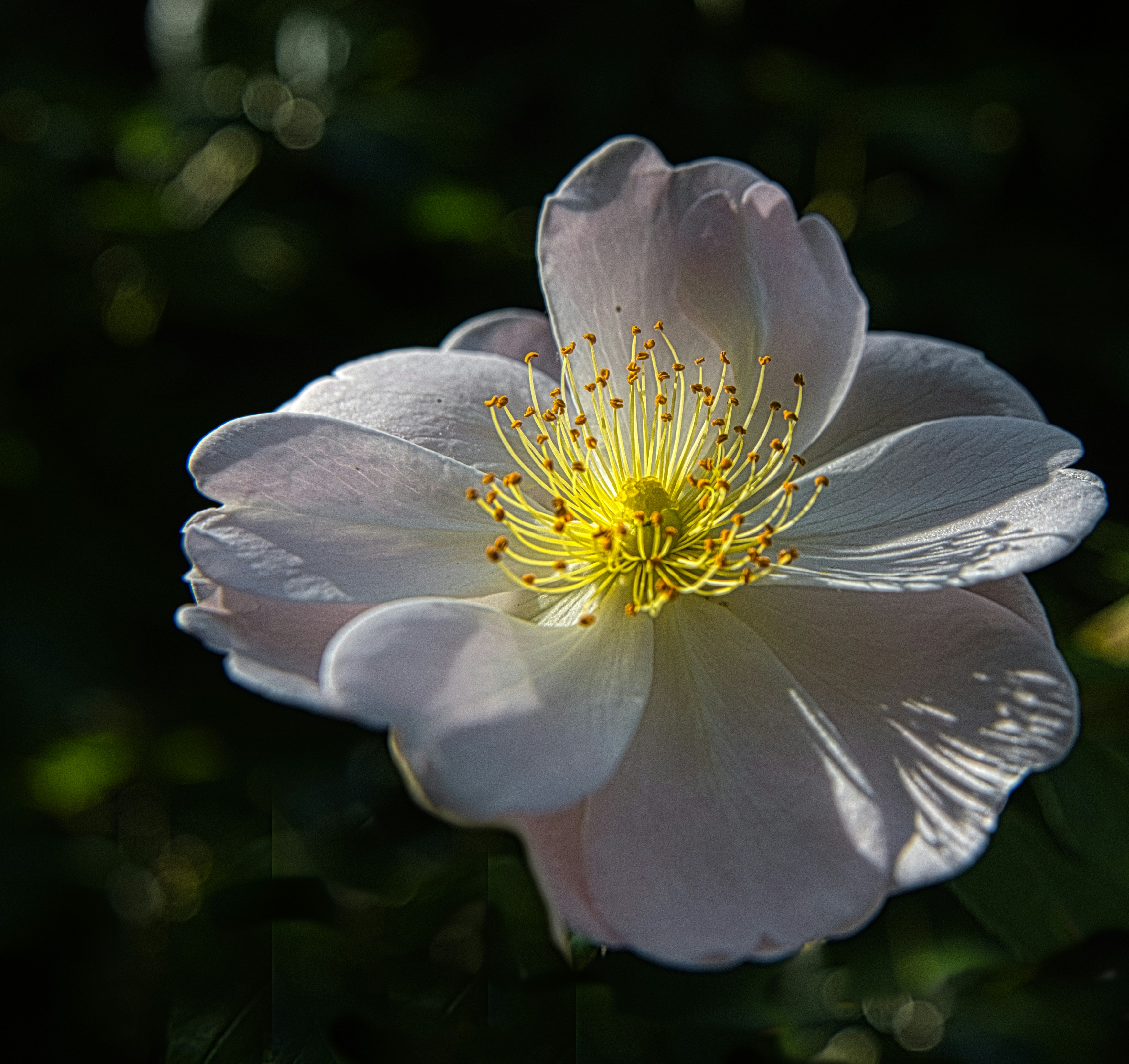
You are not late. You are unfolding. And unfolding takes time.
Join the Conversation
Article by Shobini Padmanapan · Independent Wellness Writer & Editorial Researcher
Be the first to share your thoughts.