⚡ Key Takeaways — 3-Minute Read
- 🧠 Lying = brain milestone: It shows theory of mind, working memory, and creativity are developing.
- 🛡️ Your response matters most: Stay calm. State facts. Fix together. This builds honesty.
- 💬 Try this script: "Accidents happen. Let's fix this together."
- 🌈 Imagination vs. Lie: "My teddy is sad" = real feelings, not deception.
- 📊 The science: Research shows early lying predicts higher cognitive executive functioning.
- 💝 Your superpower: Creating safety around truth-telling encourages honesty far more than punishment.
For the full depth with stories, scripts, and expert insights, switch to "Full depth" mode above.
How alone do you feel right now?
Rate your sense of connection (0 = completely alone, 10 = deeply connected)
Level: 5/10
Wait, My Preschooler Just Lied...
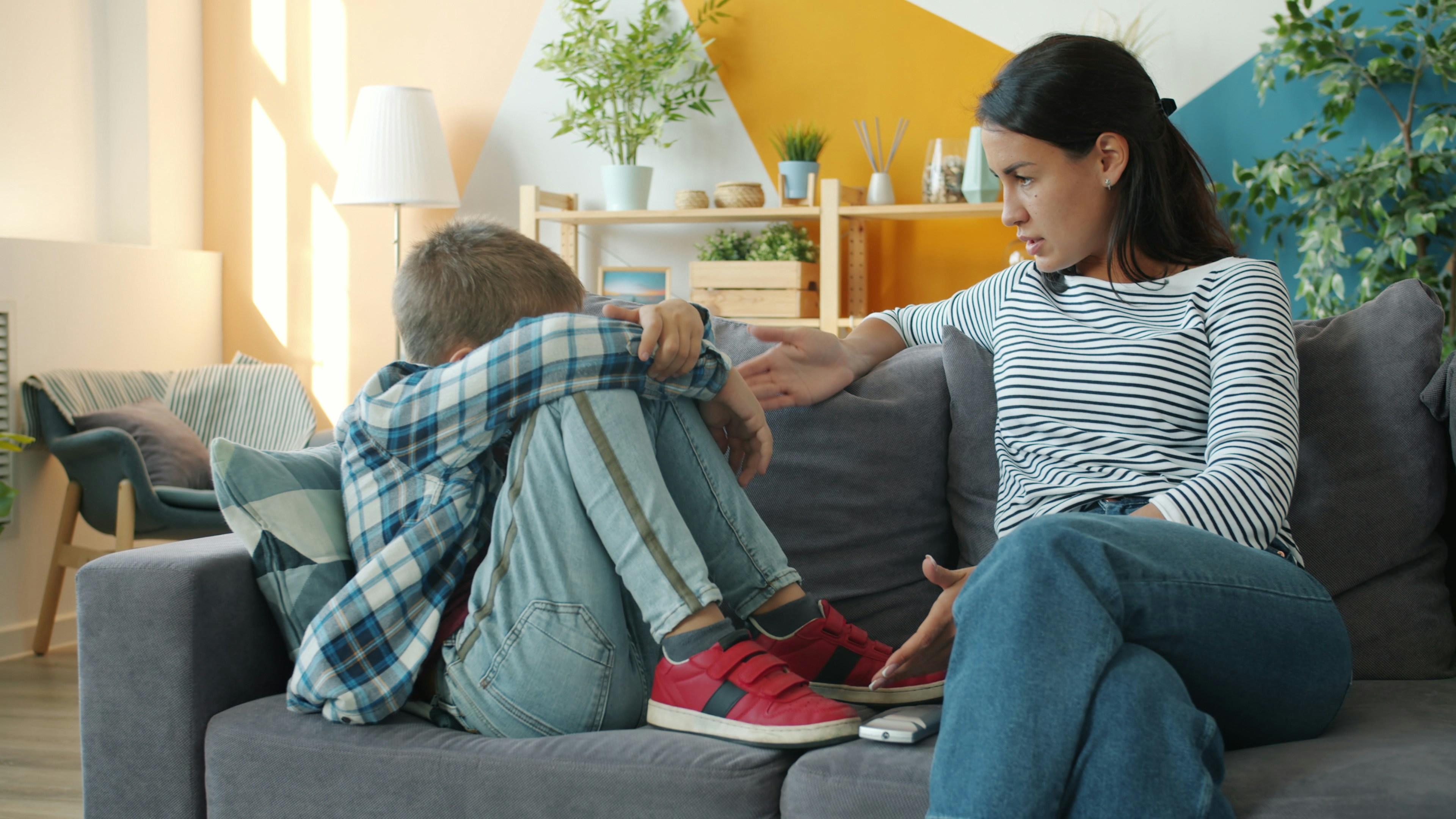
As you're reading, what's true for you?
Anonymous · real-time counts
🎨 "The dog did it."You just walked into the living room. There's a suspicious marker-drawn mural on the wall. You turn to your three-year-old, who is clutching the offending purple marker, crumbs from a stolen cookie still on their chin, looking you dead in the eye with complete conviction.
(You don't even have a dog.)
In that moment, your heart might sink. A little voice whispers, "Oh no. Is this the start of a slippery slope? Is my child turning into a little liar?"
Take a deep breath. Let's talk about what's really happening here.
Before we go further: That first lie can feel like a small betrayal. It's easy to spiral into "what does this say about my child?" or about me. What the research actually shows is far gentler than the panic suggests. Here's what's really happening, and what helps.
1. The "Oh No!" Moment
Decoding what's really behind those innocent eyes
The first instinct for many of us is to jump to "They're being bad." But here's what child development experts want you to know: for a 3-to-6-year-old, the line between reality and imagination, between what they wish happened and what actually happened, is incredibly blurry. According to child development specialist Jess VanderWier [1], when a young child lies, it actually demonstrates significant cognitive progress. They can simultaneously hold what's true and what they're choosing to tell you, which requires complex mental processing. Research has shown that children begin to tell lies as early as age 2, and by age 3, it becomes increasingly common [citation:1][citation:9][citation:13]. This is not a sign of moral failure but rather a developmental milestone reflecting growing cognitive sophistication [citation:4][citation:9].
This cognitive leap connects directly to other developmental milestones. For instance, understanding Erikson's Initiative vs. Guilt stage helps explain why preschoolers need encouragement to explore their world without shame.
Meet Leo, age 4: "I DID NOT eat the cookie! A cookie monster came and ATE it ALL up! He was blue and had big eyes and he said ROAR and then he flew away!"
Leo isn't lying. He's wishing so hard the cookie wasn't gone that his brain created a story where it made sense. To him, in that moment, it almost feels true.
2. Sneak Peek Inside That Amazing Brain 🧠
Working Memory
Holding onto what really happened while...
Inhibition
...stopping themselves from blurting it out, and...
Theory of Mind
...imagining what YOU know and believe. HUGE leap!
Creativity
...inventing a believable alternative reality. Brilliant!
Mind-blowing fact: Research published in the NIH database shows that children who develop the ability to tell convincing lies at an early age often have higher levels of cognitive executive functioning [citation:2][citation:9][citation:13]. A 2013 study by Evans and Lee found that inhibitory control, the ability to suppress the truth while stating a falsehood, and working memory are both essential cognitive skills required for lying, and these same skills predict later academic achievement [citation:2][citation:9][citation:13]. Additionally, a 2023 study by Zhang and colleagues found that 3-5-year-olds who displayed stronger theory of mind abilities and cognitive empathy were more likely to tell lies to help others [citation:2][citation:12].
"Children's lies are not moral failings, they're cognitive triumphs. They show that a child understands that minds are separate, that beliefs can differ, and that they can influence what others think."
3. Is It a Lie or Just Beautiful Imagination?
❌ A Lie
A deliberate attempt to deceive, usually to avoid a consequence or get a reward [citation:4].
"I didn't take the cookie" (while holding the cookie)
🌈 Imagination
A child creating a story that makes sense to their emotional world. According to the Happiest Baby experts, children under age 4 often have a fuzzy boundary between fantasy and reality, and tall tales about dragons or magical events are not considered lies they're creative imagination at work [5].
"My teddy bear is sad because you wouldn't let me have a cookie."
Translation: When your child says their teddy bear is sad, they're actually saying: "I feel sad and frustrated right now, but I don't have the words for these big feelings. So I'm telling you through my bear."
It's not deception. It's emotional communication.
4. What's Really Going On Under the Surface?
Your child's world revolves around you. Your approval is their sunlight. When they make a mistake, the thought "Mom/Dad will be mad at me" is genuinely terrifying.
The lie isn't an attack on you. Research from Zero to Three indicates that when children lie to avoid consequences, it may stem from fear of parental reaction. When parents stay calm while holding children accountable, it communicates both love and limits, teaching children to trust and tell the truth [6].
"Hmm, I know I knocked over the lamp. But if I say I didn't, will the same thing happen?"
According to the Raising Children network (Australia), children aged 4-6 often get better at lying by matching their facial expressions and tone of voice to what they're saying, treating lies as social experiments [7]. They're scientists of social dynamics. Lies are experiments.
"I have a pet tiger!"
They're sharing the exciting, magical world they wish they lived in. As noted by the Child Mind Institute, some children with impulsive tendencies may give off-the-cuff answers without fully thinking through options not to deceive, but because their brains act before processing [8]. It's an expression of joy and creativity.
"Lying is often a sign that children are developing important cognitive skills. They're learning that other people don't know what they're thinking that's theory of mind."
💌 A letter from your future self
One year from now, you'll look back at this moment and smile. You won't remember every fib or fumbled explanation. What you'll remember is how you stayed calm, how you chose curiosity over fear, and how your child learned that honesty lives in safety not punishment. You're doing better than you think. Keep going. You, 12 months from now.
5. Your Reaction: A Crossroads Moment 🎮
🚫 The Road of Fear
"You're a LIAR! Go to your room! I can't trust you anymore!"
Lesson learned: Research indicates that harsh punishment for lying often teaches children to become better liars to avoid punishment, rather than encouraging honesty [citation:9]. According to the University of Utah's Matthew Woolley, PhD, this approach leads children to focus on the parent's reaction, not the lesson [9].
🛡️ The Road of Safety
"Accidents happen. Let's fix this together."
Lesson learned: "Mistakes are fixable. I'm safe telling the truth." Research from Zero to Three shows that when parents respond calmly and reinforce honest behavior even after mistakes, children learn that truth-telling leads to better outcomes [6].
You are the architect of your child's conscience.
6. What to Say: Real Scripts for Real Moments
Drag the feelings that might be underneath:
Drag and drop to think about what your child might really be saying
What's the funniest "lie" your child has told?
Anonymous · Every parent has been there
7. Everyday Habits That Build Honesty

Building honesty starts with connection, not correction.
Be a Truth-Teller
According to Dr. Matthew Woolley from University of Utah Healthcare, if children hear parents say "Tell them I'm not home," they learn that lying is acceptable for convenience. Modeling honesty is essential [9].
Praise Hard Truths
"Thank you for telling me. That was brave." This is 100x more powerful than punishment, according to child development research [6].
Name Feelings
"I see you're frustrated." When they can say "I'm mad!" they lie less.
Building emotional vocabulary is a key part of this journey. Learning how preschoolers develop empathy and prosocial behavior can deepen your understanding of your child's emotional world.
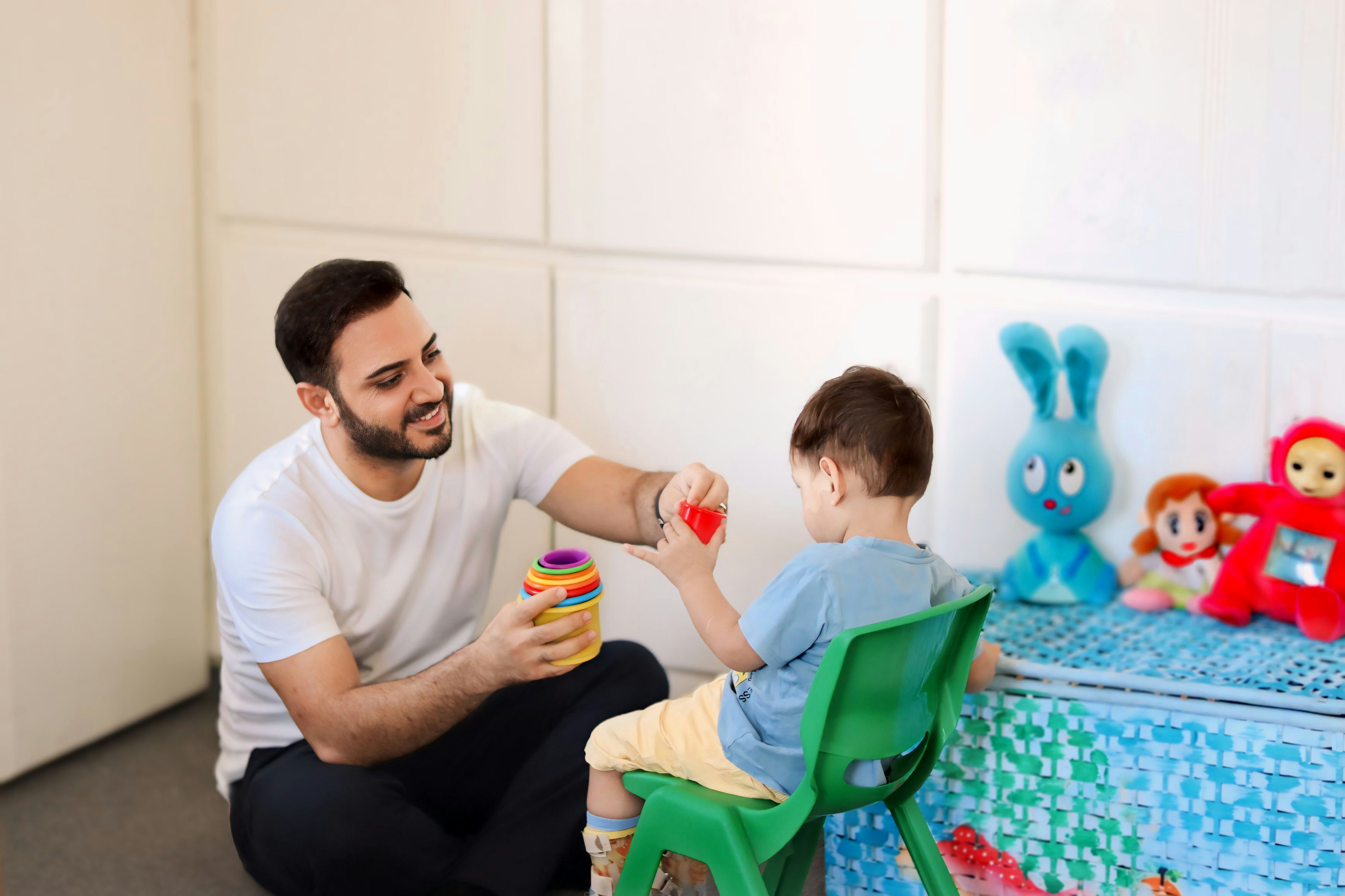
Knowing when to seek help is a sign of loving parenting
8. When to Pause and Look Deeper
According to child psychology experts, pay closer attention if you notice [10]:
- 🔄 Compulsive Lying: Constant, automatic, about big and small things
- 💔 No Remorse: No concern for how lies affect others
- 🎯 Lying to Harm: Deliberately mean or to get others in trouble
- 😨 Fear-Based Lying: Genuine terror of telling the truth, even about small things
If this sounds familiar, talking to a pediatrician or child psychologist isn't a sign of failure, it's a sign of love.
"Clear is kind. Unclear is unkind. When we teach our children that honesty is safe, we're giving them the greatest gift of all a place where they don't have to perform or pretend."
The Beautiful Truth
Your child is not becoming a liar.
They are becoming a more complex thinker, a more empathetic human, and a more creative soul. They're fumbling their way toward understanding one of life's most profound truths: that our relationships are built on trust.
So the next time you're faced with a chocolate-smeared face and a story about a cookie-eating ghost, take a breath. See the brilliant, developing mind behind the fib.
You've got this. They've got this.
About this article: This educational guide was written by Shobini Padmanapan, an independent wellness writer and editorial researcher at SoulSpace. It synthesizes publicly available research on early childhood cognitive development, theory of mind, and verbal deception in young children.
Scope: Educational and informational only. Not clinical advice, diagnosis, or treatment.
Author profile: soulspaceguide.com/authors/shobini-padmanapan
Answers to Questions Parents Ask at 2 AM
Absolutely. Research shows that lying can emerge as early as age 2-3, when children begin to realize that parents aren't mind readers [citation:2][citation:7][citation:9]. It's actually a sign of healthy cognitive development, showing that your child is developing "theory of mind" the ability to understand that others have different beliefs and knowledge than they do. A 2021 longitudinal study by Zhao and colleagues found that the desire-understanding and knowledge-access components of theory of mind, along with inhibitory control, predicted children's lying development [citation:7].
Experts recommend staying calm, avoiding "trap" questions like "Did you do this?", stating what you know as fact, acknowledging the feeling behind the behavior, and focusing on problem-solving together. According to Dr. Matthew Woolley, parents should say "I know what happened. Let's talk about it," rather than setting children up to lie [9].
Research shows harsh punishment often teaches children to become better liars to avoid punishment [citation:6][citation:9]. Creating safety around truth-telling encourages honesty far more effectively than consequences.
According to developmental research, children begin to understand the moral implications of lying around age 7-8, when they reach what researchers call "tertiary lies," the ability to maintain consistency between an initial lie and follow-up statements [citation:4][citation:9]. Before that, lying is more about brain development than morality. As Lee (2013) notes in his review of two decades of research, lying can be understood as "theory of mind in action" [citation:4][citation:5].
Before you go...
How did this article make you feel? Your small reaction helps this space grow with more meaningful stories. 💛
After reading, how alone do you feel now?
Rate your sense of connection after reading this article
Level: 5/10
References
- VanderWier, J. (2024, November 25). Child lying solutions: What you need to know about toddler lies. Nurtured First. https://nurturedfirst.com/toddler/child-lying-solutions/
- Evans, A. D., & Lee, K. (2013). Emergence of lying in very young children. Developmental Psychology, 49(10), 1958–1963. https://pmc.ncbi.nlm.nih.gov/articles/PMC3788848/
- Rhodes, M. (2017, October 2). When children begin to lie, there's actually a positive takeaway. NPR. https://www.npr.org/sections/13.7/2017/10/02/552860553/
- Lee, K. (2013). Little liars: Development of verbal deception in children. Child Development Perspectives, 7(2), 91–96. https://onlinelibrary.wiley.com/doi/abs/10.1111/cdep.12023
- Ding, X. P., Heyman, G. D., & Lee, K. (2015). Theory-of-mind training causes honest young children to lie. Psychological Science, 26(11), 1812–1821. https://pmc.ncbi.nlm.nih.gov/articles/PMC4636928/
- MacLaughlin, S. S. (2017, February 13). When young children lie. Zero to Three. https://www.zerotothree.org/resource/when-young-children-lie/
- Zhao, C., Shang, S., Compton, A. M., Fu, G., & Sai, L. (2021). A longitudinal study of the relations between theory of mind, executive function, and lying in children. Frontiers in Psychology, 12, 724419. https://www.frontiersin.org/articles/10.3389/fpsyg.2021.724419/full
- Zhang, X., Wang, S., Wang, Y., Zhao, Q., Shang, S., & Sai, L. (2023). Other-benefiting lying behavior in preschool children and its relation to theory of mind and empathy. Behavioral Sciences, 13(8), 634. doi.org/10.3390/bs13080634
- Woolley, M. (2023, June 8). Why do young children lie? University of Utah Health. https://healthcare.utah.edu/the-scope/health-library/all/2023/06/why-do-young-children-lie
Found this helpful? Share it with someone who needs it.
Written by Shobini Padmanapan · SoulSpace
Be the first to share your thoughts anonymously or with a name.