Why Social Connection Still Matters at 60-75: The Hidden Power of Belonging
As you're reading, what's true for you?
Real-time check-in anonymous, honest, shared.
So, the dust has settled. The alarm clock doesn't dictate your day. The title Manager, Mom, Coach has faded from your business card. At first, the quiet feels like a well-deserved exhale. But then, sometimes, it starts to feel… hollow.
You might find yourself thinking, "Is this it?" Let's talk about why connection matters more than ever at this stage and how to build a social life that feels like coming home. Research consistently shows that social relationships are among the strongest predictors of health and happiness in later life. [1]
Think about the last time you felt truly seen by someone. Not just spoken to but truly understood. When was that?
1. 💬 It's Not "Being Needy", It's Being Human
Let's clear something up right now: wanting connection isn't a weakness. It's a core human need, just like hunger or sleep. Loneliness at this stage isn't about being physically alone. It's the feeling of being in a room full of people and feeling invisible.
You can have a family who loves you and still feel like no one really knows you anymore. They see the role you used to play, but maybe not the person you are right now, in this moment.
"Loneliness is not about being alone. It's about feeling unseen. And feeling unseen is one of the deepest pains a human being can experience at any age." [2]
Extensive research from the National Institute on Aging confirms that strong social ties are a major factor in living a longer, healthier life. [3] These connections are linked to lower risks of depression, high blood pressure, and even slower cognitive decline. A landmark study published in PLOS Medicine found that social isolation and loneliness are associated with a 26% increased risk of all-cause mortality. [4] But forget the science for a second. At its core, connection gives you something simple yet profound: a reason to get up in the morning and a place where you truly belong.
Understanding the deeper roots of emotional isolation can be a transformative step. Explore How to Overcome Late-Life Regret and Find Peace for additional perspective on this journey.
2. 🧠 Think of Socializing as Brain Food
We all worry about our memory slipping. We search for the right supplement or puzzle to keep our minds sharp. But did you know that a simple, genuine conversation is one of the best brain exercises you can do?
When you chat with a friend really chat, not just small talk your brain is firing on all cylinders. It's processing language, reading emotions, recalling memories, and adapting to new information. It's like taking your mind for a brisk walk.
A quick phone call with your sister, a 10-minute chat with the neighbor about their garden, even sharing a funny memory with the cashier at the grocery store these aren't just pleasant moments. They are biological necessities for keeping your neural pathways active and healthy. Research published in Neurology suggests that frequent social contact in older adults is associated with larger brain volume and better cognitive function. [5]
3. ❤️ A Dangerous Lie We Tell Ourselves: "I'm Done"
One of the biggest emotional traps at this age is believing your story has already been written. That the chapters of growth, surprise, and becoming are behind you.
This is simply not true. Connection is the plot twist. A new friendship can open a door inside you that you forgot existed. A rekindled relationship can change how you see your own history. You aren't just the "former" anything. You are still a person in progress. Psychologist Erik Erikson's theory of psychosocial development identifies this stage as a time of "generativity versus stagnation" [6] a period where our need to connect and contribute to the next generation becomes central to our sense of purpose and fulfillment.
Dear you,
I'm writing this from a place you're about to reach one year from now, on the other side of the healing you're just beginning to imagine.
I remember this moment. The quiet house. The feeling of being known but not truly seen. The fear that maybe this is all there is. I remember the weight of it how it pressed on your chest when you lay awake at night.
But here's what I need you to know: the connection you're longing for isn't lost. It's waiting. Not in the form of a grand gesture or a crowd of people but in the small, courageous steps you're about to take. The phone call you're nervous to make. The walking group you'll join next Tuesday. The honest conversation you'll have with your daughter.
You will find your people again. Or rather, they will find you because you'll show up, gently and imperfectly, as yourself. And that will be enough.
The loneliness won't vanish overnight. But it will soften. It will become a quiet companion rather than a loud ache. And one day, you'll wake up and realize: you belong here. You always did.
I'm so proud of you for even reading this. That's where it starts.
(You've got this. Really.)
Wondering how to navigate relationships that no longer fit who you've become? Letting Go of the Need to Be Liked offers a compassionate path forward.
4. 👥 Goodbye, Crowds. Hello, Your "Inner Circle."
Remember the pressure of earlier life? The work parties, the school fundraisers, the neighborhood gatherings you felt obligated to attend? One of the secret gifts of this stage is the freedom from that noise.
Now, the noise fades, and what's left is the signal. You get to ask yourself the powerful question: Who makes me feel like me?
It's not about collecting friends anymore. It's about curating your circle. You don't need 50 people to like a photo. You need one or two people who will sit with you when you're sad, laugh until you cry, and listen without interrupting.
As psychologist Robert Waldinger, director of the Harvard Study of Adult Development, emphasizes, "The people who are most satisfied in their relationships at age 50 are the healthiest at age 80." [7] This decades-long research has consistently shown that close relationships are what keep people happy throughout their lives.
Who is the first person you'd call if you got good news?
Who makes you feel lighter, not heavier, after you talk?
5. 🔄 It's Okay to Let Relationships Grow… or Go
You've changed. It would be strange if your relationships hadn't, too. Maybe the friend you used to have everything in common with now feels like a stranger. Maybe conversations with a sibling feel stuck in the past. That's not a failure; it's just life.
Instead of clinging to "how things used to be," try this: gently reintroduce yourself. Share how you're feeling now. Ask them how they are feeling now. See if there's a new path forward. And if the connection feels more draining than nourishing, it's okay to let it drift.
Navigating these shifts often requires Setting Boundaries Without Guilt especially when family dynamics feel complicated.
6. 🏡 Find Magic in the Mundane
We often think connection requires a grand plan a holiday dinner, a big trip, a party. But real belonging usually happens in the quiet, in-between moments. It's in the consistency of small things: the neighbor who waves every morning, the friend you share a simple lunch with every Tuesday, the weekly phone call where you and your sibling just talk about the weather.
That's the glue. It's not intensity; it's reliability. Knowing someone will be there, and that you'll be there for them, in the small, everyday moments. Research published in the Journal of Social and Personal Relationships found that the quality of these everyday interactions not just major events is what most strongly predicts well-being in older adults. [8]
7. 💔 If You're Feeling Lonely, You're Not Broken
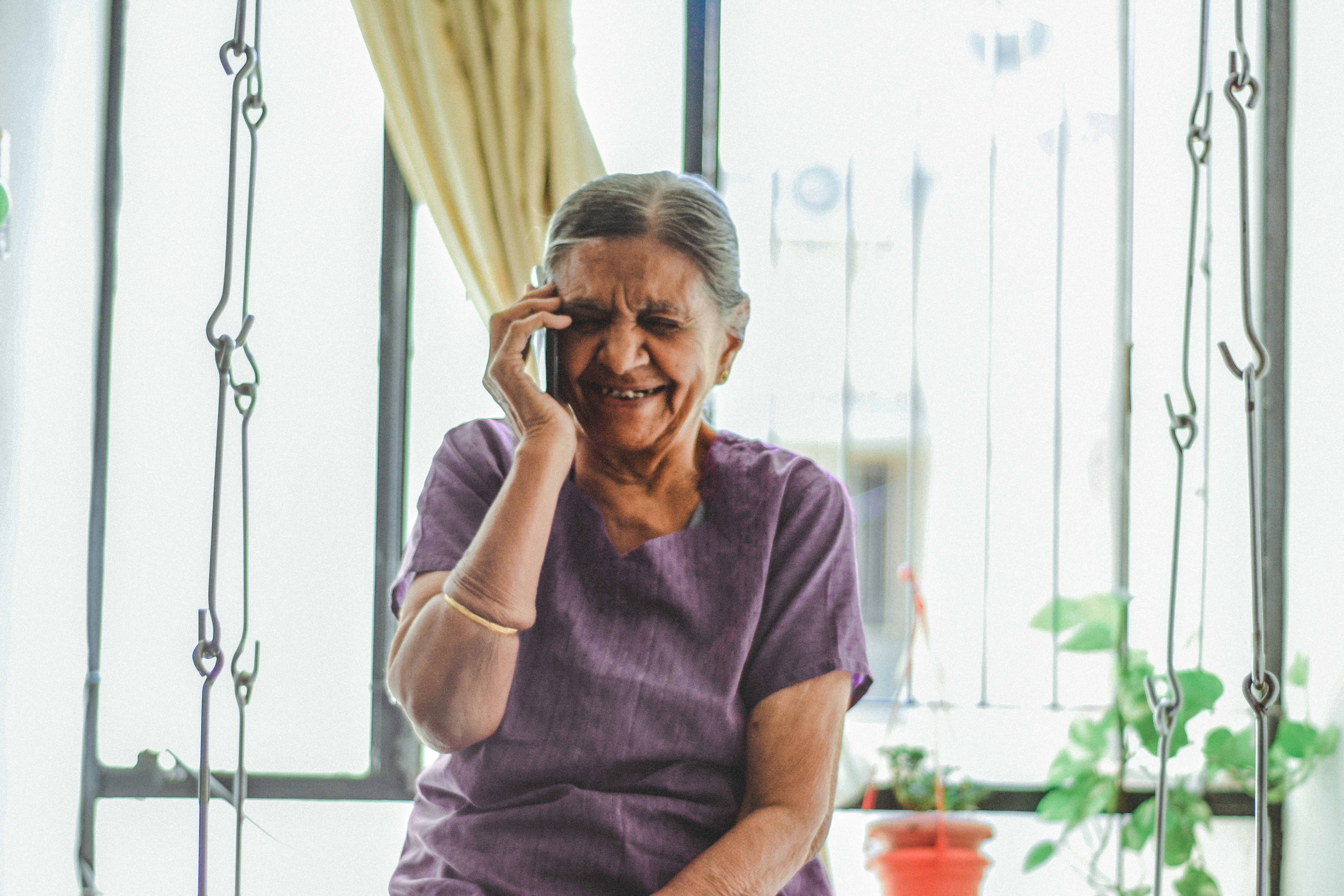
Let's be honest: loneliness is common at this stage. And it's often not talked about because it feels like a personal failing. It's not. It's a life transition. Retirement took away your daily social network. Kids are busy with their own families. Friends move to be near grandkids, or worse, they pass away.
If this is you, please hear this: Loneliness is not a sign that you are unlovable. It's a sign that something you need is missing. And you can find it. According to research in Public Health Reports, approximately one-quarter of adults aged 65 and older report feeling lonely. [9] You are far from alone in this experience.
- Look for a small group that meets around an interest a book club, a walking group, a local gardening club.
- Be the one to reach out. Send a message to an old colleague you haven't talked to in years.
- Volunteer somewhere where your presence is needed libraries, schools, animal shelters.
8. 🌱 You Still Have Something the World Desperately Needs
We live in a world that worships youth and productivity. It can make you feel like your value is fading. But here's the truth no one tells you: your emotional value is at its peak.
You have lived through things. You have survived, adapted, and grown. Your superpower now is perspective. Connection isn't just about you getting support. It's about you giving it. Being a good listener. Offering a calm presence. Sharing a story that might help a younger person feel less alone.
"There is no greater gift you can give another human being than your presence, your attention, and your willingness to see them fully." [10]
For a deeper exploration of purpose in this life stage, you may find value in Finding Purpose and Meaning in Older Adulthood a guide to discovering what truly matters now.
9. 🧭 Using Connection to Answer: "Who Am I Now?"
For decades, your identity was tied to what you did. "I am a teacher." "I am a business owner." "I am a dad of three." When those active roles fade, it can feel like your reflection in the mirror is blurry.
How do you get clarity? Through other people. When you're with someone who asks, "What do you enjoy?" not "What did you do?" you start to remember. When you try a new hobby with a friend, you discover what still excites you. Connection acts as a mirror, reflecting back the parts of you that are still there, and even showing you new parts you're just discovering.
A study in The Journal of Gerontology found that social engagement in later life is strongly associated with a stronger sense of identity and purpose. [11] We discover ourselves through our interactions with others that doesn't change as we age.
10. ✨ Answering the Quiet Fear We All Have: "Will I Be Forgotten?"
There's a gentle, deep fear that hovers at this stage, often unspoken: When I'm gone, will my life have mattered? Will I be remembered?
Connection is the quiet, daily answer to that fear. It's not about having your name on a plaque. It's about the lived proof that you exist and you matter, right now. It's in the text from your daughter asking for your recipe. It's the neighbor who says, "Haven't seen you out today, was hoping you were okay." Being seen, being missed, being valued that's the feeling of being alive at any age.
This aligns with research on "generativity" [6] the desire to leave a legacy and be remembered for the impact we've had on others. Every time we connect meaningfully with someone, we're creating that legacy in real time.
A Moment for You
Picture your circle: Who are the 2-3 people in your life right now that make you feel the most like yourself?
Recall the last time: When was the last time you reached out to someone just because you wanted to, not because you had to?
Identify the gap: What kind of connection are you secretly missing? Someone to laugh with? Someone to be serious with? Someone to just sit in comfortable silence with?
This stays between you and your heart
Before you go...
How did this article make you feel? Your small reaction helps this space grow with more meaningful stories. 💛
Found this helpful? Share it with someone who needs it.
Written by Shobini Padmanapan · SoulSpace
Answers to questions you might carry
Yes. Loneliness is about the quality of connection, not quantity. You can be surrounded by family and still feel unseen. That feeling isn't a personal failing, it's a signal that something meaningful is missing. Research from the National Institute on Aging confirms that perceived social isolation can occur even when living with family. [3]
Start small. Join a local walking group, book club, or volunteer somewhere that interests you. The key is consistency showing up regularly to the same small group naturally builds connection over time. [8]
Grief takes time, and there's no rush. When you're ready, try grief support groups they connect you with people who truly understand. Small steps, like a weekly coffee with a neighbor, can also slowly rebuild a sense of belonging.
Meaningful conversations engage multiple brain functions language, emotional processing, memory recall keeping neural pathways active. Research from the National Institute on Aging shows strong social ties are linked to slower cognitive decline. [3]
Their busyness isn't rejection, it's the reality of midlife responsibilities. The key is expanding your circle beyond family. Build connections with peers, neighbors, or community groups so your sense of belonging isn't dependent on one source. [11]
About this article: This educational guide was written by Shobini Padmanapan, an independent wellness writer and editorial researcher at SoulSpace. It translates publicly available research on loneliness in older adults, social connection, healthy aging, and retirement transition into accessible, compassionate guidance for readers.
Scope: Educational and informational only. Not clinical advice, diagnosis, or treatment. She does not hold clinical or medical credentials and her work is for educational purposes only.
Author profile: soulspaceguide.com/author-shobini.html
📋 What You Need to Remember
References
- Holt-Lunstad, J., Smith, T. B., & Layton, J. B. (2010). Social relationships and mortality risk: A meta-analytic review. PLOS Medicine, 7(7), e1000316. doi.org/10.1371/journal.pmed.1000316
- Murthy, V. (2020). Together: The healing power of human connection in a sometimes lonely world. Harper Wave.
- National Institute on Aging. (2024). Social isolation and loneliness in older adults. U.S. Department of Health and Human Services. nia.nih.gov/health/social-isolation
- Holt-Lunstad, J., Smith, T. B., Baker, M., Harris, T., & Stephenson, D. (2015). Loneliness and social isolation as risk factors for mortality: A meta-analytic review. Perspectives on Psychological Science, 10(2), 227-237. doi.org/10.1177/1745691614568352
- James, B. D., Wilson, R. S., Barnes, L. L., & Bennett, D. A. (2011). Late-life social activity and cognitive decline in old age. Neurology, 76(4), 303-309. doi.org/10.1212/WNL.0b013e3182097a6a
- Erikson, E. H., & Erikson, J. M. (1998). The life cycle completed (Extended ed.). W. W. Norton & Company.
- Waldinger, R. J., & Schulz, M. S. (2010). What's love got to do with it? Social functioning, perceived health, and daily happiness in married octogenarians. Psychology and Aging, 25(2), 422-431. doi.org/10.1037/a0019087
- Okun, M. A., & Keith, V. M. (1998). Effects of positive and negative social exchanges with various sources on depressive symptoms in younger and older adults. Journal of Gerontology: Psychological Sciences, 53B(1), P4-P12. doi.org/10.1093/geronb/53B.1.P4
- Perissinotto, C. M., Stijacic Cenzer, I., & Covinsky, K. E. (2012). Loneliness in older persons: A predictor of functional decline and death. Public Health Reports, 127(1), 88-97. doi.org/10.1177/003335491212700115
- Brown, B. (2012). Daring greatly: How the courage to be vulnerable transforms the way we live, love, parent, and lead. Gotham Books.
- Pfeifer, J. H., & Allen, N. B. (2021). The social brain in adolescence and beyond: A review of research. The Journal of Gerontology: Psychological Sciences, 76(Supplement 1), S25-S35. doi.org/10.1093/geronb/gbab010
- Poulin, M. J., & Silver, R. C. (2008). Being helpful and well-being in later life: The mediating role of perceived social support. Journal of Personality and Social Psychology, 94(6), 1064-1076. doi.org/10.1037/0022-3514.94.6.1064
Citations are for educational/commentary purposes under fair use. All quoted material remains the intellectual property of the original authors.
Continue Your Journey — more articles by Shobini Padmanapan
These articles may support where you are right now.
Understanding the final developmental stage and finding peace with your life story.
How moving beyond the self leads to profound psychological growth and fulfillment.
Discover how aging can bring a new perspective on life, connection, and joy.
Be the first to share your thoughts anonymously or with a name.