The Unique Joy (and Complexity) of Being an Emotional Anchor
How alone do you feel right now?
Before reading track your emotional state

As you're reading, what's true for you?
If you are in this stage or someone you love is you already know the truth that most retirement books miss. Retirement isn't just a financial transition. It's an emotional one. [1]
For the first time in decades maybe your entire adult life your days are no longer shaped by deadlines, job titles, or the constant hum of responsibility. And while everyone talks about the freedom of this stage, fewer people talk about the quiet complexity underneath it.
The freedom is real. It can be beautiful. But it can also leave you asking: Who am I now?
Let's walk through this stage together honestly, gently, and with the understanding that you are not alone in any of it.
What's one word that describes how you're feeling about this stage of life right now? Just notice it no need to fix.
1. Rediscovering Identity Beyond Productivity
For years maybe 30 or 40 years your identity may have sounded like: "I'm a manager." "I'm a teacher." "I ran a business." "I was the one everyone counted on."
And then, suddenly, those labels fall away. And underneath them is a question that can feel surprisingly loud in the quiet moments: "Who am I… without all that?"
Research on identity development in older adults suggests that this questioning is not only normal but also part of a healthy transition process. A 2025 study of nearly 3,800 older Swedish adults found that identity processes particularly commitment to new roles and exploration of new possibilities remain active well into later life. The study noted that depressive symptoms were negatively correlated with the ability to make new commitments and identify with them, highlighting that this identity work is essential for mental well-being. [2]
Here's what I want you to understand: Your worth was never meant to be tied only to what you produced. You are not a machine that needs to stay busy to deserve love, respect, or peace.
In fact, the very act of slowing down and redefining yourself after a career can be understood as what futurist Jim Dator calls moving from a fixed "being" to a fluid "becoming." Rather than clinging to a single identity, this stage invites you to embrace what scholars describe as "identity fluidity" the capacity to adapt and grow without losing your core sense of self. [3]
Grab a piece of paper. Write down five things you genuinely enjoy that have nothing to do with money, responsibility, or what other people expect.
Now look at that list. Circle the ones you used to do but stopped "because life got busy."
That's not random. That's a trail of breadcrumbs leading you back to yourself.
2. The Unexpected Joy of Slowing Down
There's a quiet kind of happiness that doesn't get talked about enough maybe because it sounds too simple to be meaningful. Drinking your coffee while it's still hot, without gulping it down. Sitting in silence for a few minutes, without guilt telling you you're wasting time. Watching the light change in your living room, instead of chasing the clock.
That's the joy of slowing down.
But here's the honest truth: slowing down can feel uncomfortable before it feels peaceful. For decades, society taught you: "Busy = Valuable." Now you're learning a new equation: "Present = Enough."
It takes practice. Be patient with yourself. The restlessness will settle. And when it does, you'll find a peace you didn't know existed.
3. Becoming the Emotional Anchor
One of the most profound shifts in this stage happens quietly: people start turning to you not for answers, necessarily, but for stability.
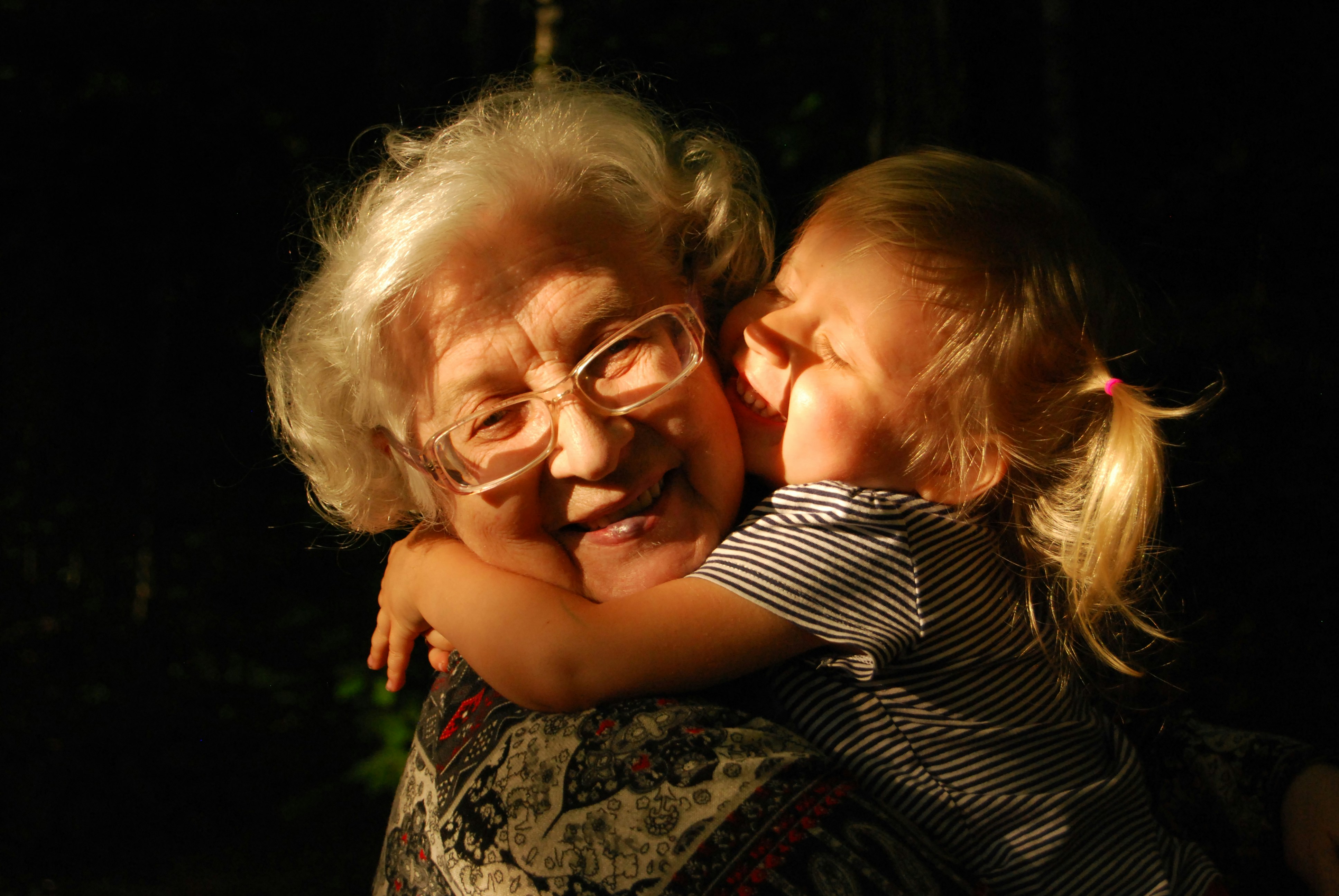
You may notice your adult children call more often just to hear your voice. Your grandchildren feel safe in your presence in a way they don't always feel elsewhere. When you walk into a room, the energy settles.
This is not an accident. You have become an emotional anchor. You are no longer just building a life. You are now holding space for others to build theirs.
The concept of an "emotional anchor" has been explored in healthcare research. A 2026 study in the Journal of Clinical Nursing found that nurses who served as "emotional anchors" for older adults in virtual communities helped reduce feelings of isolation and improved overall emotional well-being. The researchers found that this anchoring role providing empathetic support and a consistent presence was essential for helping older adults navigate social transitions. [4]
If you're navigating this role, you might find guidance in How to Set Boundaries Without Feeling Guilty because even anchors need to protect their own peace.
4. Relationships Become More Honest (and More Selective)
Something powerful happens to your social life in this stage: you stop tolerating draining relationships. You value peace over pleasing people. You choose depth over quantity.
And sometimes… that means letting people go. Not out of anger. Not out of bitterness. But out of clarity. You simply don't have the energy or the desire to spend time with people who leave you feeling smaller than you are.
"As we age, we naturally become more selective about who we let into our inner world. This isn't selfishness, it's the wisdom of knowing that your emotional energy is finite and precious."
Brown's work on belonging offers a framework for understanding this shift. In her book Braving the Wilderness, she argues that "true belonging requires us to believe in and belong to ourselves so fully that we can find sacredness both in being a part of something and in standing alone when necessary." [5] This is precisely the balance that becomes possible in this stage the ability to choose connection that honors who you have become, rather than who others expect you to be.
Research supports this too. A 2025 study from Iowa State University found that grandparents who engaged in meaningful activities with their grandchildren beyond just caregiving reported significantly lower levels of loneliness. The study emphasized that the quality of interaction matters more than the quantity of time spent. [6]
5. Facing Loss Without Losing Yourself
Let's be honest: this stage brings loss. Maybe you've lost a spouse or partner, siblings or lifelong friends, a sense of physical capability, or the illusion that you have all the time in the world.
These aren't small things. They reshape you. But here's what often isn't said: grief doesn't only take. It also deepens you. People who have truly grieved often love differently afterward more gently, more fully, with less fear.
A 2025 study on grandparenthood and psychological well-being found that the experience of becoming a grandparent with all its complexities can actually enhance emotional resilience. The researchers noted that grandparents who provided care for their grandchildren, especially in moderate amounts, reported better mental health outcomes than those who did not. This suggests that the challenges of this stage, including caregiving responsibilities, can become sources of meaning rather than just sources of stress. [7]
For more on navigating emotional heaviness, you might find comfort in You Were Raised to Be Controllable a guide to understanding how childhood conditioning shapes your emotional patterns.
What's one loss you've carried that has actually taught you something about love? (Just notice it.)
Dear you,
I'm writing to you from a place you can't quite see yet a year from now, after the dust has settled, after the questions have softened into answers you didn't know you were carrying.
I know you're tired. I know you're wondering if this is all there is. I know you've been carrying things you weren't meant to carry alone. And I want you to know: you are not broken. You are not lost. You are simply in the space between who you were and who you are becoming.
The healing you're searching for? It's already happening. It's in the quiet mornings you've started to enjoy. It's in the moments you've chosen yourself over obligation. It's in the tears you've let fall instead of swallowing them.
One year from now, you'll look back at this moment and see how brave you were how you kept moving even when you couldn't see the path. How you trusted yourself even when the world told you to doubt.
You are going to be okay. Not just okay you're going to be more yourself than you've ever been. And that self the one you're slowly rediscovering is beautiful, wise, and so very worthy of love.
Your future self
6. The "Permission" Phase: Doing Things Just Because You Want To
Let's talk about something no one warned you about: guilt. For decades, you operated on a simple formula: Effort = Reward. If you weren't working, you weren't earning the right to rest.
Now, suddenly, there's no boss, no deadlines, no one watching. And instead of feeling free… you might feel a little guilty when you relax.
Research on retirement transitions from the Journal of Futures Studies frames this shift as moving from a "solid" identity defined by work to a "liquid" identity characterized by ongoing negotiation and adaptation. This perspective suggests that the guilt many retirees feel isn't a personal failing it's a predictable response to a major life transition that our culture hasn't fully learned how to support. [3]
✓ You have permission to nap at 2 PM.
✓ You have permission to spend a whole morning reading.
✓ You have permission to do things just because they make you
happy even if they're "impractical."
You don't need to earn rest anymore. You can simply rest.
Before you go...
How did this article make you feel? Your small reaction helps this space grow with more meaningful stories. 💛
Found this helpful? Share it with someone who needs it.
Written by Shobini Padmanapan · SoulSpace
Answers to questions you might carry
Retirement isn't just a financial transition, it's an emotional one. For decades, your identity may have been tied to your work. When that structure falls away, it's natural to feel unmoored. This doesn't mean something is wrong; it means you're in transition. Research suggests that identity exploration and commitment processes continue throughout life, and the retirement transition often triggers a period of re-evaluation that can feel unsettling before it feels liberating. [2]
Purpose after 60 often looks different less about achievement, more about presence. Many find meaning through mentoring, volunteering, creative pursuits, or deepening family connections. Studies on grandparenting show that moderate involvement in caregiving and shared activities with grandchildren is consistently linked to better mental health and reduced loneliness. [6][7] The key is asking: "What kind of days make me feel quietly fulfilled?" rather than "What should I accomplish?"
Yes, very common. After decades of being conditioned to believe busyness equals value, rest can feel like laziness. But true rest isn't laziness, it's wisdom. Scholars describe this as moving from a "fixed" to a "fluid" identity allowing yourself to exist without constantly producing. You don't need to earn rest anymore. [3]
Your role shifts from manager to counselor. This means waiting to be asked for advice, celebrating their choices even when different from yours, and holding the relationship lightly enough that it has room to breathe. This doesn't mean you love them less it means you love them wisely.
Brown's research on belonging suggests that true connection requires being authentic rather than trying to fit into expectations. This applies to parent-adult child relationships as much as any other. [5]
About this article: This educational guide was written by Shobini Padmanapan, an independent wellness writer and editorial researcher at SoulSpace. It translates publicly available research on grandparenthood, retirement identity transition, emotional anchors in family systems, and aging with purpose into accessible, compassionate guidance for readers.
Scope: Educational and informational only. Not clinical advice, diagnosis, or treatment. She does not hold clinical or medical credentials and her work is for educational purposes only.
Author profile: soulspaceguide.com/author-shobini.html
How alone do you feel right now?
After reading see how your emotional state has shifted
Your mood shifted from 5 to 5 feeling the same
Key Takeaways
Identity evolves - Your worth was never tied only to productivity. Rediscover who you are beyond your roles. [2]
Slowing down is wisdom - Rest isn't laziness; it's the freedom to be present without earning it. [3]
You are an anchor - Your presence brings stability to others. Honor this role without losing yourself. [4]
Relationships deepen - Choose quality over quantity. Let go of what drains you. [5]
Grief deepens love - Loss reshapes you, but it also opens your heart to love more fully. [7]
Permission is yours - You don't need to earn rest, joy, or peace. They are yours to claim. [3]
References
- Roese, N. J., & Summerville, A. (2005). What we regret most... and why. Personality and Social Psychology Bulletin, 31(9), 1273-1285. doi.org/10.1177/0146167205274693
- Blauberger, T. R., Hansson, I., Berg, A. I., & Larsman, P. (2025). DIDS and don'ts: Evaluating the psychometric properties of a short form of the Dimensions of Identity Development Scale in older Swedish adults. Journal of Adult Development. Advance online publication. doi.org/10.1007/s10804-025-09537-7
- Fu, S.-C., & Chen, K.-H. (2026). Liquid retirement: Navigating identity fluidity in the transition from career to post-work life. Journal of Futures Studies. jfsdigital.org
- Ali, S. I., & Shaban, M. (2026). Digital bridges and emotional anchors: Nurses facilitating social connectivity in virtual age-friendly communities. Journal of Clinical Nursing, 35(5), 2440-2450. doi.org/10.1111/jocn.17784
- Brown, B. (2017). Braving the wilderness: The quest for true belonging and the courage to stand alone. Random House.
- Hwang, I. J., & Svec, J. (2025). Does grandparenting worsen loneliness? The conditional role of care and activity. Innovation in Aging, 9(Supplement_2), igaf122.4103. doi.org/10.1093/geroni/igaf122.4103
- Zhao, D. (2025). Grandparenthood and psychological well-being of middle-aged and older adults: Multigenerational family relationships in China [Doctoral dissertation, University at Albany, State University of New York]. scholarsarchive.library.albany.edu/etd/275
Citations are for educational/commentary purposes under fair use. Sources are provided for further reading and are not reproduced here.
Continue Your Journey — more articles by Shobini Padmanapan
Explore more articles to support your emotional growth and understanding.
Understanding the final developmental stage of late adulthood
Rediscovering what matters most in your later years
Moving beyond self to find deeper connection
What's weighing on you lately?
Anonymous · held with care
Be the first to share your thoughts anonymously or with a name.