Understanding the cranky, complaining elder (60-75)
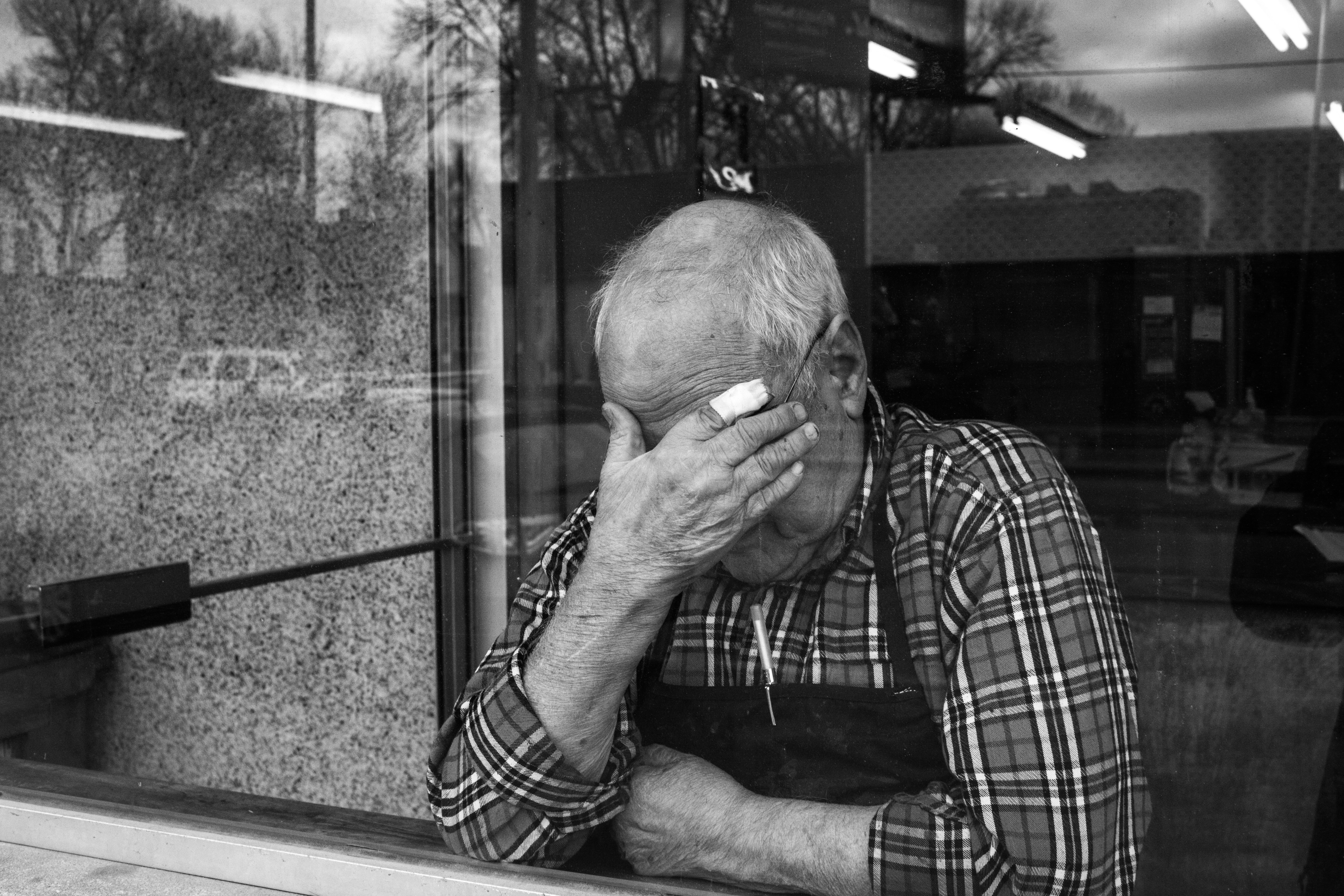
If you live with, love, or care for someone in early old age (60-75), you've probably heard the same complaint three times in one hour. Or been snapped at for something small. And yes it's frustrating. But here's what most people miss: crankiness is rarely the real problem. Research has shown that irritability in older adults often carries a deeper meaning beyond what's visible on the surface [1]. Let's walk through what's actually going on, how to respond without losing your mind, and small changes that rebuild connection.
Think of one older person whose complaining has worn on you. What emotion sits underneath your frustration? (Just notice, no fixing.)
🧠 Why are some older adults so cranky? (Real reasons, not excuses)
Before you label someone "difficult," know this: complaining is often a cry for something else. Beneath the surface:
- Lost identity - "I was a manager, a parent, a provider. Now who am I?" The erosion of social and professional identity is a significant source of distress in later life, as individuals grapple with the loss of valued roles that once defined their sense of self [2].
- Shrinking control - Health, driving, even meals. Complaints feel like power. When autonomy diminishes, voicing dissatisfaction becomes one of the few remaining ways to assert agency.
- Hidden grief - Friends dying, dreams fading, bodies failing. Various forms of loss accumulate and compound in later life, often simultaneously and these experiences can destabilize long-held senses of belonging and agency [2].
- Unspoken fear - "What if I become a burden?" The anxiety about losing independence and becoming dependent on others often manifests as frustration directed at the very people they need most.
- Loneliness in disguise - Some elders complain just to start any conversation. As researcher Brené Brown describes, loneliness is the absence of meaningful social interaction and for some, even negative attention feels better than invisibility [3].
If you're caring for someone and feel emotionally stretched, you might relate to The Emotional Cost of Being the 'Mature One' Since Childhood healing the parts of you that had to grow up too fast.
⚠️ When is it more than "just a bad attitude"?
Not all crankiness is normal aging. Watch for these red flags: sudden personality change (gentle → angry), withdrawing from people they used to love, talking like nothing matters, extreme sensitivity or suspiciousness. These can point to depression, anxiety, or early cognitive changes. Research suggests that affective and emotional dysregulation including irritability emerging in later life may serve as a potential risk marker for cognitive decline and should be evaluated by a healthcare professional [4]. A doctor visit isn't overreacting, it's loving.
🗣️ What they're really saying (translation guide)
| What they say | What they often mean |
|---|---|
| "Nobody listens to me." | I feel invisible. As Brown notes, invisibility is a function of disconnection and dehumanization, where one's humanity and relevance feel unacknowledged [3]. |
| "Everything is useless." | I have no purpose anymore. The loss of meaningful roles and activities can lead to a profound sense of emptiness [2]. |
| "You're all too busy." | I miss being important to you. This reflects a longing for the connection and belonging that may have faded with changing family dynamics. |
| "My body is falling apart." | I'm scared of what's coming. Physical decline often triggers anxiety about mortality and loss of independence. |
| "You don't care." | I'm lonely and don't know how to say it. Loneliness is the absence of meaningful social interaction, and it can be devastating [3]. |
Once you hear the real message, your anger often turns into understanding.
Dear one,
I'm writing to you from a place I never thought I'd reach a
place where the weight you're carrying right now has softened. I
remember this time. I remember the exhaustion that lived in my
bones, the guilt that whispered I wasn't doing enough, the
frustration that made me feel like a stranger to myself.
You're doing better than you know. Those moments when you bite your tongue, when you stay instead of walk away, when you listen even though you've heard it before those are not small things. They are the quiet architecture of healing, being built one difficult day at a time.
The relationship you're tending to right now will look different a year from now. Not because they've changed completely, but because you will have changed. You will have learned to hold their pain without losing yourself in it. You will have found the line between compassion and exhaustion, and you will know when to step forward and when to step back.
Keep going. Keep loving imperfectly. Keep showing up even when it's hard. The version of you that exists a year from now is so grateful for what you're enduring today.
With all the gentleness you deserve,
— You, one year from now
🤝 How to respond without losing your patience (yes, it's possible)
You don't have to be a saint. You just need a few rules that work.
- Don't argue facts. Address feelings. "That sounds really hard. Tell me more."
- Give small choices back. "Tea or coffee?" "Morning or afternoon walk?" Control = dignity. Research on personhood in aging emphasizes that maintaining a sense of independence and agency is central to how older adults construct their identity [5].
- Listen longer than you want to. Repetition isn't annoying, it's unfinished emotion. Studies suggest that what looks like anger on the outside is often grief, fear, or pain on the inside [6].
- Set kind boundaries. "I want to help, but I won't stay if you yell." Then follow through calmly.
- Remember: it's not about you. Their anger is rarely about the spilled milk. As gerontological research has shown, crankiness in older adults is frequently a manifestation of deeper losses and unexpressed pain [2].
Navigating these moments often requires How to Stop Absorbing Other People's Emotions emotional boundaries for highly sensitive individuals, especially when caring for others.
"What looks like anger on the outside is often grief on the inside. Elders aren't trying to push you away; they're afraid you'll leave before they do."
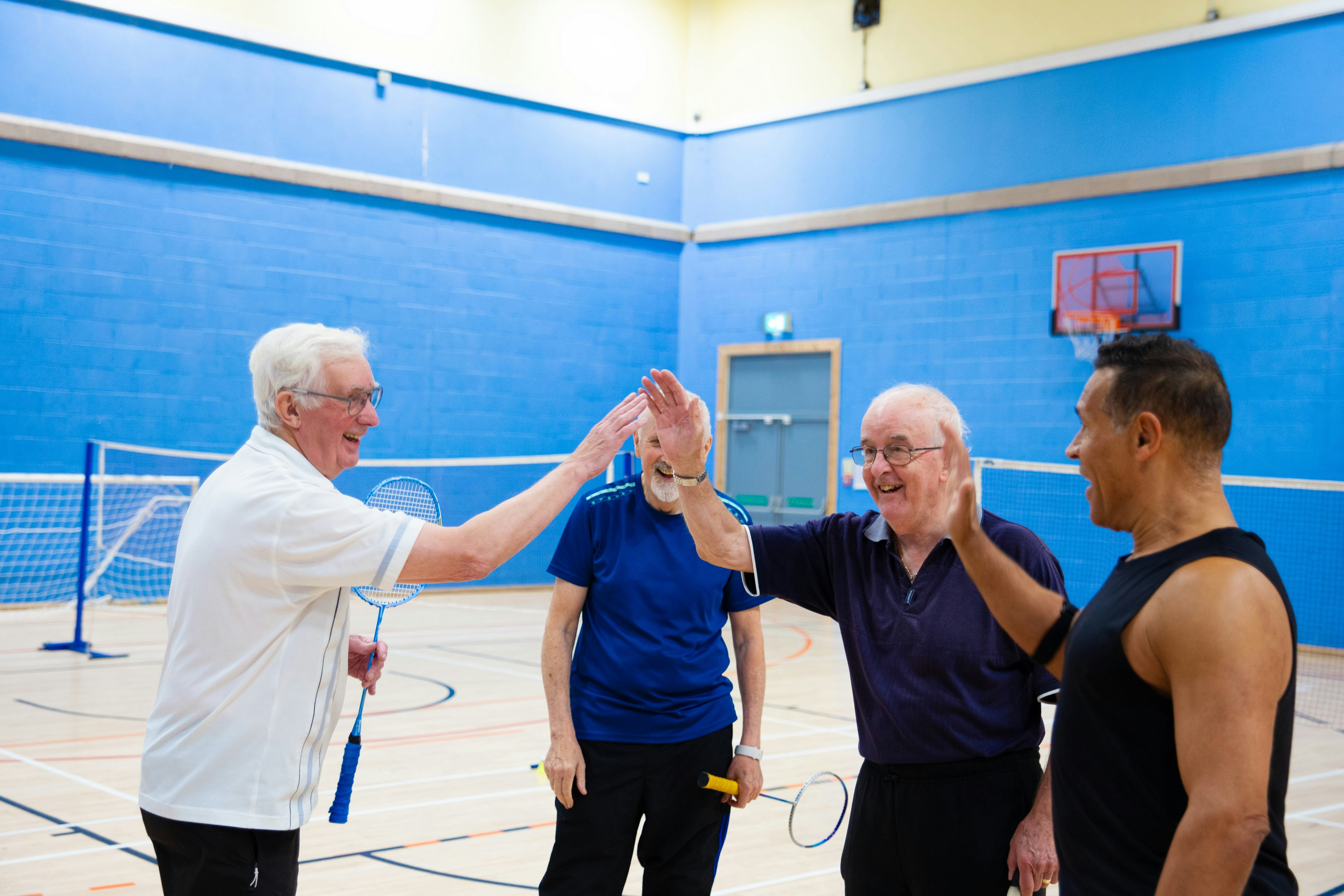
🧩 Tiny actions that change everything (try one this week)
You don't need a big gesture just consistency.
- ✅ Ask their advice on something real (gardening, cooking, money, relationships)
- ✅ Let them teach you a skill they have
- ✅ Look through old photos together and really listen
- ✅ Say: "I'm glad you're here." Not just "love you" glad you're here.
Instead of asking "Why are they so difficult?" ask: "What might they be losing that I cannot see?" Loss of health. Loss of friends. Loss of purpose. As gerontological research documents, older adults often experience multiple, compounding losses that can destabilize their sense of self and belonging [2]. That one shift changes your face, your tone, and your relationship.
❤️ For caregivers & family: the honest truth no one says
Loving a cranky elder can be exhausting. Guilt for being annoyed, feeling unseen, sadness about who they used to be all normal. You can love someone deeply and feel drained by them. Take breaks. Get help. See a therapist. Join a caregiver group. You can't pour from an empty cup that's not selfish, it's survival.
Research has found that caregivers of older adults experience significant emotional and physical burdens, with high rates of anxiety and burnout [7]. Studies show that caregivers with high levels of trait anxiety are particularly vulnerable to stress, emotional exhaustion, and insomnia highlighting the critical need for support and self-care [8]. Mindfulness-based interventions have been shown to reduce emotional exhaustion and increase self-compassion among caregivers, offering a practical path toward resilience [10].
One elder who frustrates you right now: _______
What might
they be grieving silently? _______
One small thing you'll do
differently this week: _______
What's weighing on you as a caregiver?
Anonymous · held with care
✨ A line to remember (put it on your fridge)
"Some people don't become difficult with age they become honest about pains they hid their whole life."
Before you go...
How did this article make you feel? Your small reaction helps this space grow with more meaningful stories. 💛
Found this helpful? Share it with someone who needs it.
Written by Shobini Padmanapan · SoulSpace
What looks like anger is often grief, fear, or loneliness in disguise. Listen for the real message beneath the complaint. [2][3]
Don't argue. Say "That sounds really hard. Tell me more." Validation builds bridges where arguments build walls.
Ask "Tea or coffee?" Let them teach you something. Control and purpose matter more than we realize. [5]
Exhaustion doesn't mean failure. Take breaks, get support, and remember you're showing up, and that matters. [7][8]
References
- Bell, E., Malhi, G. S., Mannie, Z., Boyce, P., Bryant, R., Inder, M., & Porter, R. J. (2021). Novel insights into irritability: The relationship between subjective experience, age and mood. BJPsych Open, 7(6), e198. doi.org/10.1192/bjo.2021.1022
- Karlin, N. J. (2026). Loss and transformation identified within the aging process. Journal of Loss and Trauma (Special Issue). Taylor & Francis.
- Brown, B. (2021). Atlas of the Heart: Mapping Meaningful Connection and the Language of Human Experience. Random House.
- Ismail, Z., Gatchel, J., Bateman, D. R., Barcelos-Ferreira, R., Cantillon, M., Jaeger, J., Donovan, N. J., & Mortby, M. E. (2018). Affective and emotional dysregulation as pre-dementia risk markers: Exploring the mild behavioral impairment symptoms of depression, anxiety, irritability, and euphoria. International Psychogeriatrics, 30(2), 185-196. doi.org/10.1017/S1041610217001480
- Kaufman, S. R. (1986). The Ageless Self: Sources of Meaning in Late Life. University of Wisconsin Press.
- Duke, B. J. (2008). Pathogenic effects of central nervous system hyperarousal. Medical Hypotheses, 71(2), 212-217. doi.org/10.1016/j.mehy.2008.03.037
- Characteristics and influential factors of anxiety and burnout among caregivers and older adults. (2024). Innovation in Aging, 8(Suppl 1), 908. doi.org/10.1093/geroni/igae098.2933
- Biopsychosocial impact of high levels of trait anxiety on family caregivers in the end-of-life palliative care setting. (2025). PLoS ONE, 20(3), e0307349.
- Fonseca, L., Mota, P. M., Santos, B., Mota, C. P., & Carvalho, H. (2024). Emotional exhaustion in children and youth caregivers in residential care. Journal of Child & Adolescent Trauma. Taylor & Francis. doi.org/10.1080/0886571X.2026.2627232
- The effect of Mindfulness-Based Compassionate Living training for informal caregivers of palliative inpatients on burnout and caregiving burden: A randomized controlled trial. (2024). Health Education Research, 39(4), 313-322.
- Personhood and aging: Exploring the written narratives of older adults as articulations of personhood in later life. (2022). Journal of Aging Studies, 62, 101040. doi.org/10.1016/j.jaging.2022.101040
Citations are provided for educational and commentary purposes under fair use. All referenced works remain the intellectual property of their respective authors and publishers.
About this article: This educational guide was written by Shobini Padmanapan, an independent wellness writer and editorial researcher at SoulSpace. It translates publicly available research on irritability in older adults, caregiving dynamics, geriatric emotional wellness, and the hidden grief behind crankiness into accessible, compassionate guidance for readers.
Scope: Educational and informational only. Not clinical advice, diagnosis, or treatment. She does not hold clinical or medical credentials and her work is for educational purposes only.
Author profile: soulspaceguide.com/author-shobini.html
Be the first to share your thoughts anonymously or with a name.