When Do Babies Start Feeling?
How are you feeling right now?
Before we begin take a moment to check in with yourself.
0 = completely overwhelmed · 10 = fully at peace
As you're reading, what's true for you?
Anonymous · real-time counts
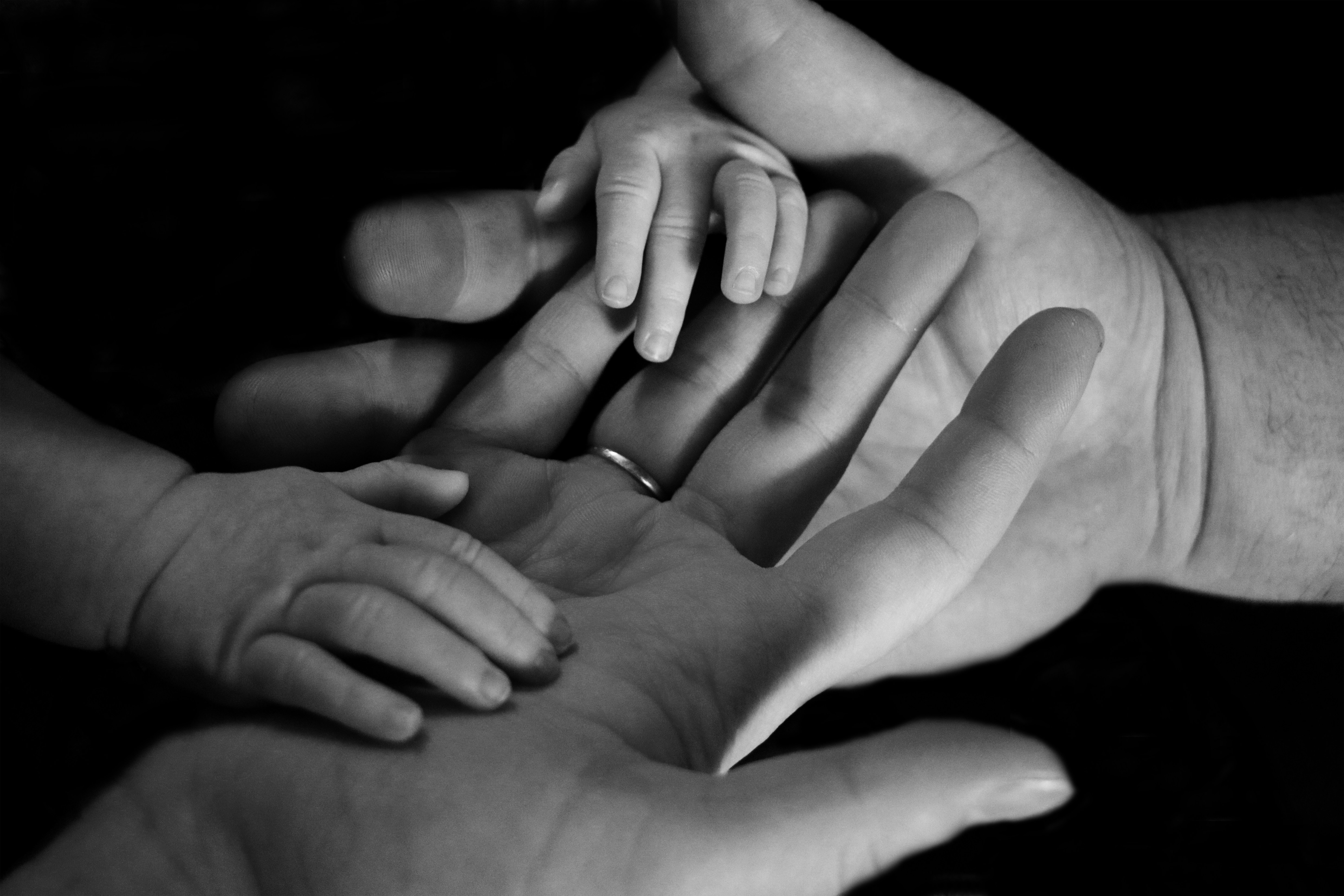
You lean over the crib at 3 a.m., exhausted, and your baby's eyes flutter open. For a moment, you just look at each other. And you wonder, in the quiet of that sleepless night:
"Do you know I'm here? Do you feel how much I love you? Is that a real smile, or just gas?"
If you've asked yourself these questions, you're in good company. Parents have wondered for millennia what's happening behind those sleepy blinks and sudden grins.
The beautiful truth is this: Your baby's heart is waking up long before they can speak. And you your voice, your warmth, your presence are the architect of that awakening.
Scroll through your baby's emotional firsts, month by month. Or jump to a stage using the interactive timeline below.
Before Birth: Can They Feel Me Already?
The short answer: Yes. In their own way, they can.
Imagine your baby floating in a warm, dark universe where your voice is the only recognizable sound. By the third trimester, the building blocks for emotion the brain's limbic system are already forming. [4]
They aren't dreaming about birthday parties yet. But they are experiencing the world in terms of comfort versus discomfort. Research suggests that babies in the womb can recognize their mother's voice and respond to external sounds, laying the foundation for early emotional connection. [1]
Emotional bonding starts here. When you speak softly or rub your belly, you are giving them their first lesson in feeling safe.
"Each baby is a unique individual from the moment of birth, with their own way of communicating and connecting."
0–2 Months: The Survival Guide to Emotions
Welcome to the fourth trimester.
Your baby has entered a loud, bright, cold world. In these first weeks, emotions are simple and survival-based. Newborns communicate their basic feelings of comfort or distress through alert, wide-eyed expressions and body language. [1]
According to developmental researchers, infants as young as a few months old display distinct facial expressions that correspond to basic emotions like joy, interest, and distress. [5]
Hunger, wet, too cold, too tired
Full, warm, held, safe
Sudden movements or loud sounds
A note to exhausted parents:
Crying is not manipulation. It is not "bad behavior." It is a smoke alarm. They aren't crying to get you; they are crying because they need you. Every time you respond, you're teaching them: "When I need someone, someone comes."
The Magic Milestone (6-8 Weeks)
Then, one morning, you'll lean over the crib and something miraculous happens. They smile. Not a gassy twitch, but a real, social, eye-contact smile. Around 2 months of age, babies develop what experts call the "social smile" a purposeful expression meant to engage others. [1]
This is your baby's first "hello." It's their way of saying, "I see you, and you are my favorite person."
2–6 Months: The Age of Giggles and Glory
If you want to see pure, unfiltered joy, this is the stage. Your baby is now fully awake to the world. Between 3 and 4 months, babies begin to link what you say with your facial expressions, and they may respond with coos and sounds that resemble early conversation. [2]
Fascinating research shows that by five months, infants can even recognize and match emotional expressions in their peers they can tell when another baby is happy or sad just by looking at their face and hearing their vocalizations. [13]
Laughter at peekaboo, squeals of delight
Grabbing noses, studying faces like scientists
When a toy doesn't do what they expect
Between 4 and 6 months, babies become more social, expressing a full range of basic emotions including anger, joy, interest, fear, disgust, and surprise through consistent facial expressions. [1][5] Their first laugh typically emerges around 5 months, and they begin to understand cause and effect in emotional exchanges. [9]
Try this: Peekaboo science
This is the golden period of bonding. Every time you smile back, you are wiring their brain for connection. They are learning the most important lesson of their life: "The world is safe because my person is here."
"The infant and young child should experience a warm, intimate, and continuous relationship with their mother in which both find satisfaction and enjoyment."
6–12 Months: Stranger Danger and Separation Anxiety
Just when you thought you had a social butterfly, things get complicated. Sometime around 8 or 9 months, your baby might suddenly cry when Grandma reaches for them. At 6 months, babies can differentiate between familiar and unfamiliar faces and enjoy looking at themselves in mirrors. [3]
What's happening?
This is a giant leap in emotional intelligence. Your baby has finally figured out Object Permanence the idea that things (and people) exist even when you can't see them.
"Oh no! Mom exists even when she's gone! I need her to come back RIGHT NOW!"
New people = potential threat
Panic when you leave the room
You are their safe base
Between 6 and 9 months, babies who receive consistent, loving care form a powerful attachment to their caregivers. This bond helps them develop trust and a clear preference for familiar people. Around this time, stranger anxiety typically appears a normal and healthy developmental milestone. [1] By 7 to 8 months, babies begin to understand intonation and facial expressions more deeply. [7]
Recent research tracking infants from 6 to 12 months found that negative emotional reactions actually intensify during this period, alongside greater regulatory efforts meaning babies are both feeling more and trying harder to manage their feelings. [11]
The parenting truth:
This is not "spoiling" them. This is your baby realizing how much they love you, and being terrified of losing you. Responding to their fear with hugs and reassurance teaches them that even when you leave, you always come back. This builds trust that lasts a lifetime.
Around 8 to 11 months, separation anxiety typically peaks. Babies also develop "social referencing" looking to a parent's face to gauge whether a situation is safe. [9][8] By 9 months, babies begin to understand that people have intentions and may react differently to strangers versus familiar caregivers. [5]
12–24 Months: Big Feelings in Tiny Bodies
Welcome to the emotional volcano stage.
Your little one is walking, talking in single words, and feeling the full force of human emotion with absolutely no idea how to turn it off. Around 12 months, babies can begin to label their feelings with simple words. By 18 months, they may display affection, jealousy, and temper tantrums born from frustration. [6][8]
During the second year, children begin to understand what others like and dislike, though sharing remains difficult. They also start showing helpful behaviors and affection, alongside a growing personal will that leads to tantrums and stubbornness. [7]
Tantrums over broken bananas
When words won't come
When you hold another baby
Running to hug a crying friend
Shyly hiding after doing something clever
The Tantrum Truth
A tantrum is not bad behavior. It is an emotional overload. Their logical brain (the prefrontal cortex) won't be fully built for another 20 years. Right now, they are drowning in feeling and need you to be the life raft.
When you stay calm during a meltdown, you aren't "giving in." You are teaching them: "These feelings are scary, but you are safe. We can get through this together."
By the second year, children begin to understand what others like and dislike, though sharing remains difficult. They also start showing helpful behaviors and affection, alongside a growing personal will that leads to tantrums and stubbornness. [7]
A letter from your future self
Dear you,
I know you're tired. I know you're wondering if all these sleepless nights, all these tears you're wiping away, all these moments of showing up even when you have nothing left I know you're wondering if any of it is actually working.
It is.
One year from now, you'll watch your toddler run across the room and throw their arms around you for no reason at all. You'll see them comfort a crying friend. You'll hear them say "I love you" and mean it with their whole chest.
And you'll realize: every single time you answered their cry, every time you stayed calm during a tantrum, every time you chose connection over perfection you were building something unshakable.
You didn't break them. You built them.
Keep going. You're doing better than you think.
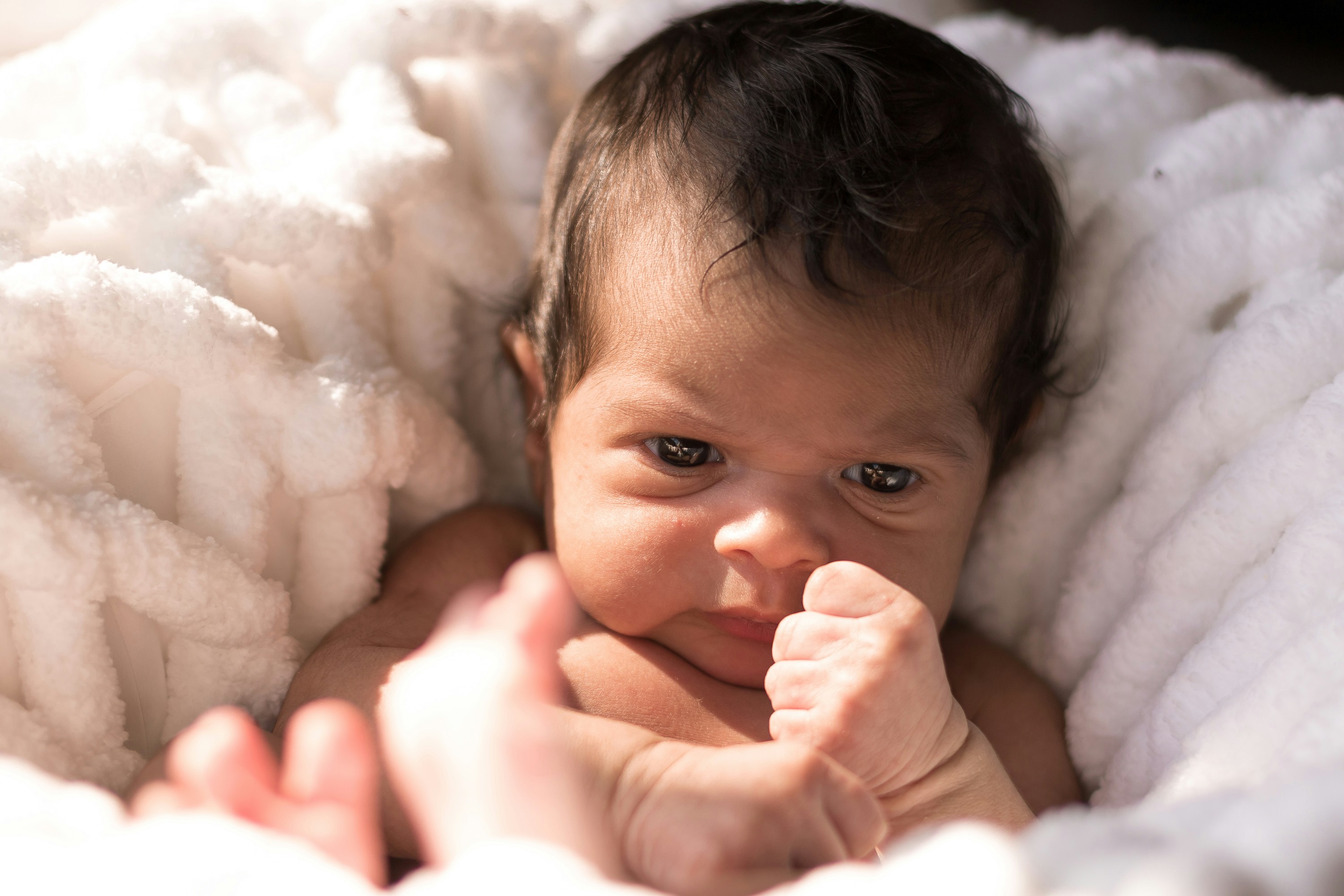
🧠 Neural pathways forming: Every loving interaction builds your baby's emotional brain
🧬 The Science Part (Made Simple)
Why do babies feel so much but manage so little? It comes down to brain architecture.
Amygdala
Emotional center. Lights up like fireworks from day one.
Prefrontal Cortex
The brakes. Won't be fully online for 20+ years.
Think of it this way: Your baby has a Ferrari engine for emotions, but bicycle brakes for stopping them. They need you to be the adult brakes until theirs grow in.
The limbic system responsible for emotional processing develops rapidly during the first 18 months. The amygdala detects emotional stimuli, while the upper limbic cortex helps refine emotional responses based on environmental cues. A caregiver's consistent, soothing response to a child's emotions builds secure attachment, which lays the foundation for self-esteem, emotional regulation, and impulse control. [4]
According to attachment theory, the quality of early emotional bonds shapes not just childhood but lifelong relationship patterns. When caregivers respond sensitively to an infant's needs, the child develops an internal working model of relationships as safe and trustworthy. [14]
"The way we communicate with our children literally shapes the architecture of their developing brains."
💞 Why This Matters More Than a Good Night's Sleep
You might be reading this thinking, "Okay, but how does this help me get through the 2 AM wake-up call?"
Because knowing why your baby needs you changes how you respond.
Researchers call this process "dyadic regulation" when a caregiver calmly holds, cuddles, and touches an infant to help slow their breathing and heart rate. Whether through rocking, feeding, or singing, your presence physically regulates your baby's nervous system. [10]
Studies show that affective maternal touch and physical closeness foster emotional regulation, social reciprocity, and the formation of a secure attachment bond. These early experiences literally shape how the brain develops. [15]
Security
"I am safe."
Trust
"People help me."
Self-Esteem
"My needs matter."
Every time you pick them up when they cry... smile when they grin... stay calm when they rage... you are building their Emotional Immune System.
Before you go...
How did this article make you feel? Your small reaction helps this space grow with more meaningful stories. 💛
📌 Quick Emotional Timeline
What moment with your baby took your breath away?
Anonymous · A safe place for your heart
Answers to Questions You Carry at 3 AM
Absolutely. They don't understand it as a concept yet, but they feel it as safety, warmth, and comfort. When you hold them, feed them, and respond to their cries, you are speaking their language of love. Attachment theory tells us that secure bonds formed in infancy create the foundation for all future relationships. [14]
Signs of distress appear from birth. More complex sadness like disappointment when a toy is taken away usually emerges around 12-18 months, when they begin to understand that things can happen differently than they expected. [6]
High levels of chronic stress can expose your baby to stress hormones, which may influence their temperament. But occasional stress is normal and won't harm them. The most powerful thing you can do is bond with your baby during pregnancy talk to them, sing, rub your belly. They feel you.
This is classic stranger anxiety, and it's actually a beautiful sign of healthy development! Your baby now understands that you are their safe person, and anyone else is unfamiliar. They've formed a strong attachment to you that's exactly what we want. [1]
Stay calm (as calm as possible). Get down to their level. Name the feeling: "You're so mad the banana broke." Don't try to reason with a raging toddler brain just be their safe harbor. Your presence, not your lectures, teaches them that big feelings are survivable. Research confirms that co-regulation where a calm caregiver helps a child manage distress is the foundation for developing self-regulation. [15]
About this article: This educational guide was written by Shobini Padmanapan, an independent wellness writer and editorial researcher at SoulSpace. It synthesizes publicly available research on infant emotional development, early attachment, and the science of early bonding.
Scope: Educational and informational only. Not clinical advice, diagnosis, or treatment.
Author profile: soulspaceguide.com/authors/shobini-padmanapan
Found this helpful? Share it with someone who needs it.
Written by Shobini Padmanapan · SoulSpace
How do you feel now?
After reading this article let's check in again.
Printable Summary Card
When Do Babies Start Feeling? Key Takeaways
If you're reading this in the middle of the night, bleary-eyed, holding a baby who just won't sleep, wondering if you're doing this right...
Hear this:
Your baby doesn't need you to be perfect. They don't need fancy toys or a spotless house.
They need your warmth. The tone of your voice. The rhythm of your rocking. The safety of your arms.
They don't understand the word "love" yet. But when you hold them close, they feel it in their bones.
And every time you respond with patience, you are shaping a heart that will one day shape the world.
Shobini Padmanapan
References
- Alberta Health Services. (n.d.). Social and emotional development in infants. MyHealth.Alberta.ca. https://myhealth.alberta.ca/Health/pages/conditions.aspx?hwid=ue5463
- Raising Children Network. (2024). 3-4 months: Baby development tracker. https://raisingchildren.net.au/babies/development/development-tracker-3-12-months/3-4-months
- UNICEF. (n.d.). Your baby's developmental milestones at 6 months. https://www.unicef.org/parenting/child-development/your-babys-developmental-milestones-6-months
- Malik, F., & Marwaha, R. (2022, September 18). Emotional development in infants. National Library of Medicine (NCBI). https://www.ncbi.nlm.nih.gov/books/NBK534819/
- Bennett, D. S., Bendersky, M., & Lewis, M. (2002). Facial expressivity at 4 months: A context by expression analysis. Infancy, 3(1), 97–113. https://doi.org/10.1207/s15327078in0301_5
- University of Nottingham. (n.d.). Child development: Emotional development. HELM Open. https://www.nottingham.ac.uk/helmopen/rlos/child/foundation/page_nine.html
- The Wonder Weeks. (n.d.). When does a child's emotional development start? https://thewonderweeks.com/blog/infant/when-does-a-childs-emotional-development-start/
- BabySparks. (2017, October 12). The evolution of emotions: Your baby's first year. https://babysparks.com/2017/10/12/the-evolution-of-emotions-part-1-your-babys-first-year/
- AboutKidsHealth - SickKids Staff. (n.d.). Social and emotional development in a baby's first year. https://www.aboutkidshealth.ca/social-and-emotional-development-in-a-babys-first-year
- Lumen Learning / OpenStax. (n.d.). Lifespan development: Emotional development in infants and toddlers. https://openstax.org/books/lifespan-development/pages/4-3-emotional-development-in-infants-and-toddlers
- Suata, Z. M., Daubney, K., Kostyrka-Allchorne, K., Wass, S. V., & Sonuga-Barke, E. (2026). Developing context-appropriate emotions: Longitudinal changes in emotion reactivity and emotion regulation from 6 to 12 months. Developmental Science, 29(4), 1–15. https://doi.org/10.1111/desc.70212
- Gajewski-Nemes, J. A., Morris-Perez, P. A., Mendelsohn, A. L., & Shaw, D. S. (2025). Growth in early mother-child dyadic qualities and relations to preschool problem behavior. Social Development, 34(3), e70011. https://doi.org/10.1111/sode.70011
- Flom, R., & Bahrick, L. (2013). Babies can read each other's signals. Infancy. https://www.eurekalert.org/news-releases/791575
- Bergen, D. (2022). Developing attachment: The theoretical work of John Bowlby and Mary Ainsworth. In Handbook of Child Development (2nd ed.). Taylor & Francis. https://doi.org/10.4324/9781003288077-11
- Farroni, T., et al. (2022). Affective maternal touch and proximity in infant development. In Self-Regulatory System. ScienceDirect. https://www.sciencedirect.com/topics/psychology/self-regulatory-system
- Bowlby, J. (1969). Attachment and loss: Vol. 1. Attachment. Basic Books.
- Brazelton, T. B., Koslowski, B., & Main, M. (1974). The origins of reciprocity in early mother-infant interaction. In M. Lewis & L. A. Rosenblum (Eds.), The effects of the infant on its caregiver. Wiley.
Be the first to share your thoughts anonymously or with a name.