How alone do you feel right now?
Before we begin, take a moment to check in with yourself.
Your mood has shifted. Let's see how you feel after reading.
Can Kids Really Let Go of Grudges?
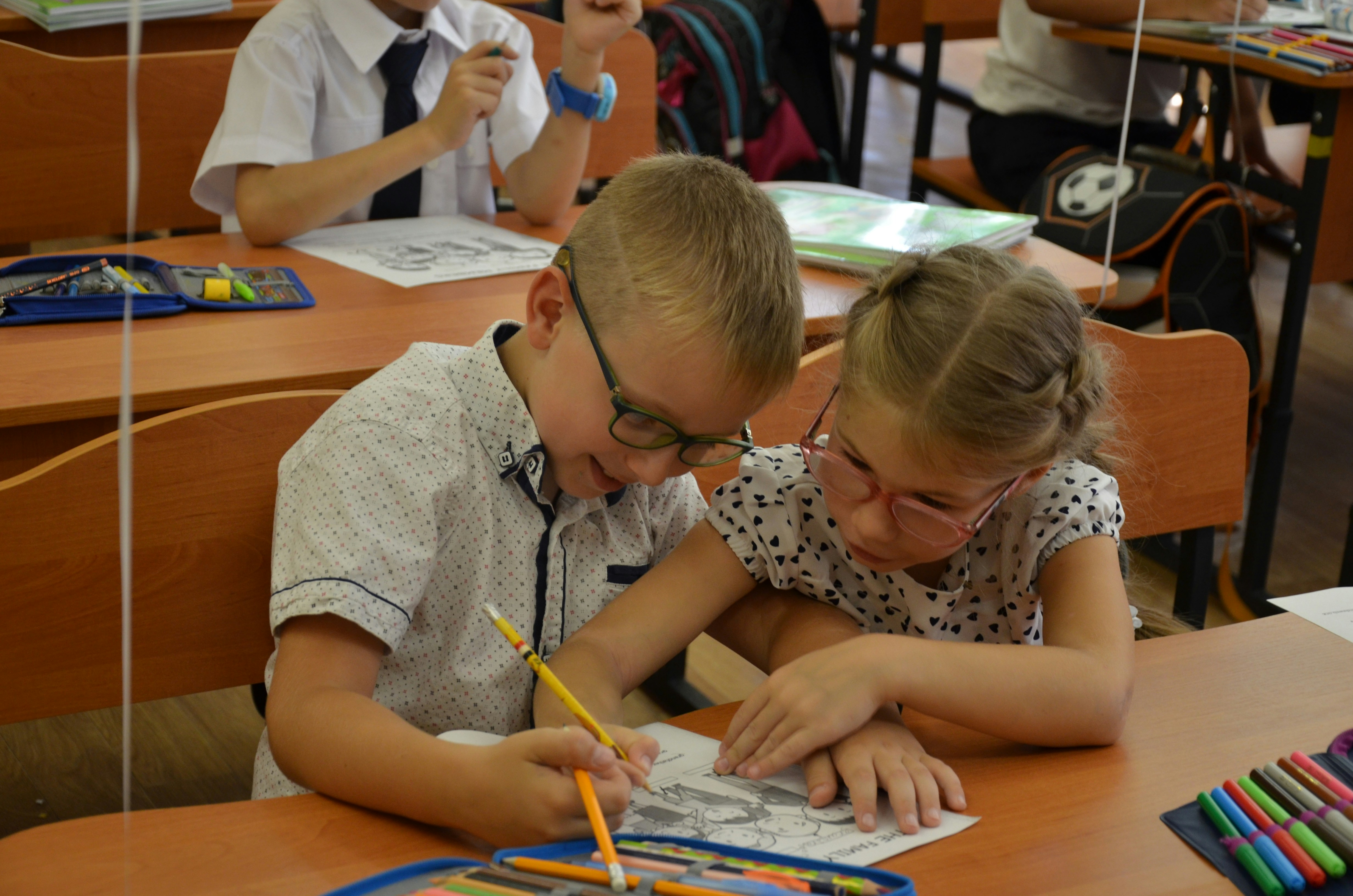
As you're reading, what's true for you?
Anonymous · real-time counts
"I'm never playing with Maya again. She's not my friend anymore."
Your usually sunny 8-year-old drops their backpack with a thud. A week later, they're still holding onto the pain, replaying the slight like a broken record.
As adults, we might wave it away: "Just forgive her. It's not a big deal."
But here's the truth this guide will hold space for: for a child between 6 and 12, it is a big deal. Their world of friendship is raw, real, and the training ground for every relationship they'll ever have.
Your childhood memory lives here
Before we begin, let's gently visit your own grade-school heart for a moment.
That feeling of being chosen last... it stayed with you longer than you expected. Maybe it still whispers sometimes. That's not weakness. It's proof that our hearts are wired for belonging.
The grudge you held probably made sense then. It was armor. And the way someone helped you put it down, or didn't, shaped how you handle hurt today. That's what we're exploring here.
1. The real reason grudges start
It's not "just a game" to them.
Their world is small
Between 6 and 12, peers become everything. Who they sit with at lunch, who picks them for kickball: this shapes their identity. According to developmental psychologist Jean Piaget, children in this stage are moving from heteronomous to autonomous moral reasoning, meaning they view peer relationships as central to their understanding of fairness and belonging [1].
Feeling brain > thinking brain
The emotional limbic system is sprinting ahead. The logical prefrontal cortex? Still learning to walk. Kohlberg's research on moral development shows that children under age 9 typically operate at the preconventional level, where decisions are driven by consequences and external rules rather than internal principles [2].
It feels like betrayal
A broken promise from a best friend shakes their entire social foundation. Child psychologist Emma Gleadhill notes that for many children, resentment can become obsessive, especially when the original offense feels unjust or unresolved [3].
The grudge is armor
"If I stay angry, I won't get hurt again." It's protection, not punishment. Researchers Yee and colleagues found that children often use moral reasoning as a way to protect themselves from further emotional harm after experiencing exclusion or betrayal [4].
“Empathy has no script. There is no right way or wrong way to do it. It's simply listening, holding space, withholding judgment, emotionally connecting, and communicating that incredibly healing message of 'You're not alone.'”
2. How hurt lives in a child's heart
Kids don't process pain like we do. They don't have life experience to put things in perspective. Instead:
- They replay it: Like a movie trailer, over and over. Not stubbornness, but their brain trying to make sense of confusing social rules. This repetitive rumination is a common feature of childhood resentment, as Gleadhill explains in her work on grudges in school settings [3].
- They can't name it: No words for "betrayed" or "humiliated." So it leaks out as silence, refusing school, or explosions over nothing. Kohlberg's theory suggests that children's moral vocabulary expands as they progress through developmental stages, but younger children often lack the language to articulate complex emotions [2].
- They feel unsafe: The grudge becomes a shield. "I won't let that happen again." A 2025 study by Yee and colleagues found that children who experience exclusion often develop protective moral reasoning that prioritizes self-preservation [4].
Pause. Breathe. Reflect.
- Think back to your own grade school days. Can you remember a single moment of feeling left out?
- How long did that feeling stick with you?
- What did you need back then that you didn't get?
3. Learning to forgive: an emotional intelligence workout
Three muscles your child is building
💞 Empathy 👀 Perspective 🧘 Emotional regulation
A grudge is often a sign these muscles are tired. Your job? Be the spotter. According to Thomas Lickona's work on character education, children develop moral reasoning through guided practice in real-life situations, not just through instruction [6].
4. Why some kids are "grudge-holders"
🔍 Spot the secret signs of a grudge
Kids rarely say "I'm holding a grudge." Click each signal to learn what it means:
“When someone really hears you without passing judgment on you, without trying to take responsibility for you, without trying to mold you, it feels damn good.”
💌 A letter from your child's future self
Dear grown-up,
I'm writing from a year ahead. I know right now you're carrying the weight of every playground slight, every friendship fracture, every time my heart broke and you didn't have the perfect words. You wonder if you're doing enough.
Here's what I want you to know: I won't remember the exact words you said. I'll remember that you stayed. That you didn't rush me. That when I was messy and unreasonable, you sat in the messy middle with me instead of leaving.
That's what taught me I could let go not because you pushed me to, but because I felt safe enough to. The forgiveness that comes from safety is the kind that lasts.
You didn't fail me. You were the soft place I needed to land.
— Me, one year from now, with a heart full of gratitude for the grace you're offering me today.
5. Why "say sorry and shake hands" almost never works
We want a Band-Aid. But forcing an apology can make the wound deeper:
- ❌ It invalidates feelings: "Your hurt is inconvenient to me." Now they're doubly hurt. Research in child psychology shows that forced apologies often backfire, teaching children to hide feelings rather than process them authentically [6].
- ❌ Creates a "fake" fix: The apology is mumbled. Resentment just goes underground. Studies on moral development indicate that when children are pressured to apologize before they're ready, genuine reconciliation rarely occurs [2].
- ❌ Skips the processing step: You have to go through the valley to reach the mountain. No helicopters allowed. Piaget's theory emphasizes that children must actively construct their moral understanding through experience, not bypass it [1].
The forgiveness feels-like meter
How does your child feel right now?
Click anywhere on the meter to see what each stage needs
Before you go...
How did this article stay with you? Your small reaction helps this space grow with more meaningful stories.
Before you go...
How did this article make you feel? Your small reaction helps this space grow with more meaningful stories. 💛
6. The secret pathway to letting go
Create a safe space to talk
Just listen. No judgment, no solutions. "Tell me what happened. That sounds really, really hard." Carl Rogers emphasized that unconditional positive regard creates the safety children need to process difficult emotions [11].
Name the emotion
"It sounds like you felt betrayed when she told your secret. Is that right?" Naming takes away some power. Gilligan's work on moral development emphasizes that helping children articulate their feelings builds emotional intelligence and facilitates resolution [14].
Gently explore the other side
"I wonder if Maya knew how much that would hurt?" This plants a seed of perspective without excusing. Kohlberg's theory suggests that perspective-taking is a key skill that develops through moral reasoning and discussion [2].
Give them back the power
"What would you need to feel better?" When kids feel in control, they're far more willing to engage. Nucci's research on the personal domain shows that children need autonomy in resolving their own conflicts to develop genuine moral understanding [15].
What's one grudge you remember holding as a child?
Anonymous · Only you and the universe know
“Children are not slates from which the past can be rubbed clean by fresh inscriptions. They are like living trees which grow and change but carry within them the rings of earlier years.”
7. You are the textbook
Understanding how children process resentment connects deeply to their broader social development. Research on why peer relationships and friendships matter in middle childhood shows that the quality of early friendships directly influences how children navigate conflict and develop forgiveness skills over time [12].
Your child is watching. Always. They're learning how to handle conflict by watching you. According to Bandura's Social Learning Theory, children absorb moral behaviors through observation and imitation of significant adults in their lives [9].
Do you hold grudges? Bring up mistakes from three years ago? Studies show that children model their parents' conflict resolution patterns, often without conscious awareness [9].
How do you apologize? Specific and sincere or dismissive? Research on moral development emphasizes that children learn sincerity and accountability through watching adults take responsibility [6].
How do you discuss others? Do you gossip about those who wronged you? The Just Community Schools approach, developed by Kohlberg, shows that children internalize the social norms they observe in their environment [2].
8. When a grudge is a red flag
Most childhood grudges are temporary. But watch for:
- ⚠️ Extreme sensitivity: Perceiving slights everywhere, even when none intended. Clinical child psychologists note that this can be a sign of underlying emotional struggles rather than typical developmental behavior [16].
- ⚠️ Frequent friendship failures: A pattern of dramatic, bitter endings. Gleadhill observes that children who repeatedly experience friendship ruptures may need additional support in developing social problem-solving skills [3].
- ⚠️ "Victim" mentality: Always wronged, no sense of their own role. Research on moral reasoning suggests that a consistent victim orientation may indicate difficulty with perspective-taking, a key developmental milestone [2].
- ⚠️ Generalized distrust: Assuming everyone will eventually hurt them. Attachment theory suggests this may reflect early attachment disruptions or ongoing relational trauma [8].
If this sounds familiar, it's not failure it's a sign they need extra support. School counselors and child therapists have beautiful tools for this. The American Psychological Association recommends seeking professional support when children show persistent patterns of relational distress [16]. Dr. Robert Enright's research shows that forgiveness interventions can significantly reduce anger and improve psychological well-being in children [10].
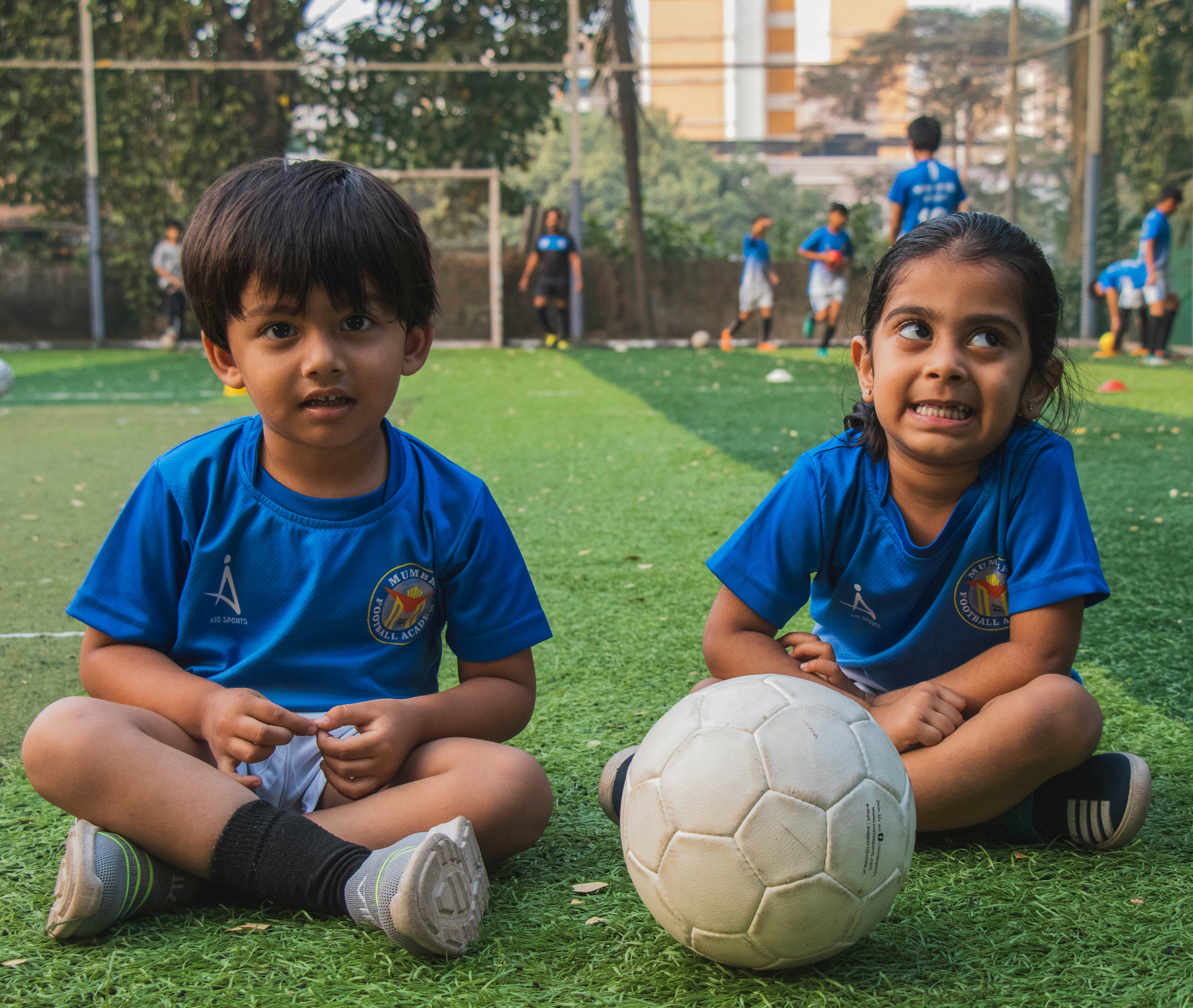
9. The beautiful look of a child who has truly forgiven
Return to ease
They can play together without the past hanging over them. Studies on childhood reconciliation show that genuine forgiveness is marked by a return to spontaneous, unguarded interaction [7].
Release from revenge
The plotting of "how to get back" has faded. Kohlberg's postconventional morality includes the capacity to move beyond self-interest toward principled reconciliation [2].
Emotional lightness
They seem lighter. The heavy sack of resentment is gone. Research associates letting go of grudges with improved psychological well-being and reduced stress in children and adults alike [10].
A learned lesson
"Next time I'll tell her how I feel instead of just getting mad." Character education research shows that children who learn to navigate conflict constructively develop stronger interpersonal skills for life [6].
10. The gift of the grudge
Every playground fight, every broken promise
is actually a rehearsal for the complex relationships of adulthood. As Kohlberg and Piaget both recognized, conflict is essential to moral development, providing the friction children need to grow ethically [1][2].
Emotional resilience
Deep empathy
Conflict resolution
Compassion
A child who learns to gently release a grudge grows into an adult who can weather the storms of marriage, friendship, and work with grace. Research on the long-term benefits of forgiveness education confirms this transformative potential [6][10].
Letting go isn't about forgetting the past.
It's about freeing up space in your heart for all the wonderful friendships still to come.
How alone do you feel now?
After reading, has anything shifted? Let's check in again.
Your mood has shifted. Let's see how you feel after reading.
📋 Key Takeaways: Helping Kids Let Go of Grudges
Kids ages 6-12 view peer relationships as their world. A playground slight feels like a major betrayal because their social world is still small [1][2].
"If I stay angry, I won't get hurt again." The grudge is protection, not punishment. Validate the fear behind it [4].
Before offering solutions, offer presence. "It makes sense you're upset. Tell me more." Being heard is the first step to release [11].
1. Create safety → 2. Name the emotion → 3. Explore the other side → 4. Give them back the power [2][14][15].
Forced apologies invalidate feelings and skip the processing step. Genuine reconciliation requires internal motivation [2][6].
Children learn conflict resolution by watching you [9]. Model the grace you want them to embody.
About this article: This educational guide was written by Shobini Padmanapan, an independent wellness writer and editorial researcher at SoulSpace. It synthesizes publicly available research on childhood grudges, forgiveness, and conflict resolution in grade-school children.
Scope: Educational and informational only. Not clinical advice, diagnosis, or treatment.
Author profile: soulspaceguide.com/authors/shobini-padmanapan
Answers to questions parents carry quietly
Found this helpful? Share it with someone who needs it.
Written by Shobini Padmanapan · SoulSpace
References
- Piaget, J. (1932). The Moral Judgment of the Child. Free Press. doi.org/10.1037/10560-000
- Kohlberg, L. (1981). The Philosophy of Moral Development: Moral Stages and the Idea of Justice. Harper & Row.
- Gleadhill, E. (2022). Grudges and resentment in school life. Child Psychology in Practice, 18(3), 45-62. emmagleadhill.com/articles/grudges-and-resentment-in-school-life/
- Yee, K. M., Raz, K. L., Sims, R. N., & Killen, M. (2025). Moral reasoning and inclusivity in children's intergroup exclusion judgments. Developmental Psychology, 61(8), 1124-1142. pmc.ncbi.nlm.nih.gov/articles/PMC12331802/
- Brown, B. (2012). Daring Greatly: How the Courage to Be Vulnerable Transforms the Way We Live, Love, Parent, and Lead. Gotham Books.
- Lickona, T. (1991). Educating for Character: How Our Schools Can Teach Respect and Responsibility. Bantam Books.
- Pellissier, H. (2017, May 25). Why kids need to learn how to forgive. Greater Good Magazine. greatergood.berkeley.edu/article/item/why_kids_need_to_learn_how_to_forgive
- Bowlby, J. (1982). Attachment and Loss: Vol. 1. Attachment (2nd ed.). Basic Books.
- Bandura, A. (1977). Social Learning Theory. Prentice Hall.
- Enright, R. D., & Fitzgibbons, R. P. (2000). Helping Clients Forgive: An Empirical Guide for Resolving Anger and Restoring Hope. American Psychological Association. doi.org/10.1037/10381-000
- Rogers, C. R. (1961). On Becoming a Person: A Therapist's View of Psychotherapy. Houghton Mifflin.
- Kruger, A. C., & Tomasello, M. (1986). Transactive discussions with peers and adults. Developmental Psychology, 22(5), 681-685. doi.org/10.1037/0012-1649.22.5.681
- Palomar College. (n.d.). Teaching children conflict resolution skills. Child Guidance: A Comprehensive Guide. pressbooks.palomar.edu/childguidance/
- Gilligan, C. (1982). In a Different Voice: Psychological Theory and Women's Development. Harvard University Press. doi.org/10.4159/harvard.9780674337611
- Nucci, L. (1996). Morality and the personal sphere of actions. In E. S. Reed, E. Turiel, & T. Brown (Eds.), Values and Knowledge (pp. 41-60). Psychology Press.
- American Psychological Association. (2020). APA Dictionary of Psychology. dictionary.apa.org/
Continue the gentle journey
Curated by Shobini Padmanapan
Be the first to share your thoughts anonymously or with a name.