📖 Integration: Weaving a Life Story That Makes Sense
How alone do you feel right now?
🌱 Before readingAs you're reading, what's true for you?
Anonymous · real-time counts
"I don't need more years. I need to know my years meant something." That's a feeling many carry past 75. Not dramatic. Just honest. You've lived through weddings, funerals, mistakes, quiet mornings. Now your mind wants to turn all those fragments into a story you can live with. Not a perfect story a truthful one. [1]
Think of one confusing or painful moment from your past. Ask yourself: "What did that moment quietly teach me?" Just one word.
🧩 Why "making sense" becomes urgent after 75
When you're younger, life feels like one thing after another. After 75, you start asking: "Why did that heartbreak happen?" "What was the point of all those ups and downs?" This isn't sadness, it's sense-making. Developmental psychologist Dr. Erik Erikson called it the final psychological task: Integrity vs. Despair. [2] It's your brain's way of weaving scattered memories into one coherent meaning. And doing it well is one of the healthiest things you can do.
Research in gerontology confirms that older adults who engage in life review experience greater emotional well-being and reduced depressive symptoms. [3] If you're caring for someone at this stage, you might also relate to Understanding Elderly Despair: Erikson's Integrity vs. Despair it's a quiet weight, but you don't have to carry it alone.
📜 Memory turns into a story (not just a scrapbook)
Your brain stops holding memories as random clips. Instead, they begin to weave into one long narrative. You see patterns you never noticed before: "Oh, that's why I always chose friends like that." You forgive your younger self more easily. You don't need perfect recall; you need emotional truth. What feels true matters more than exact dates. [4]
💔 How to handle regret without letting it ruin your peace
Regret is real at this stage. Missed chances. Harsh words. People you lost touch with. But here's what separates peaceful aging from bitter aging: leaning into regret with self-compassion rather than punishment. Say this out loud once today: "Yes, I have regrets. But they are not my whole life." People who work through regret sleep better, smile more, and cry less from anger. [5]
You're not alone in this quiet reflection. Research shows that self-compassion is a powerful buffer against the emotional pain of regret in later life. [6] Others at this stage find peace through Biggest Life Regrets at the End of Life: Lessons Learned a gentle companion for hard but necessary conversations.
"Wisdom is not about never making mistakes. It is about being able to look back and say, 'That was hard, but it shaped who I became.'"
🕊️ Forgiveness, the kind that actually lightens your chest
Forgiving others means you stop carrying their weight. Forgiving yourself means you stop carrying old shame. It's not religious advice; it's emotional science. People who practice forgiveness have lower cortisol levels and fewer symptoms of depression. [8] Is there one person (including yourself) you're ready to forgive not for them, but for you? Just name them silently.
What's one "imperfect" part of your life that actually made you kinder? Let that thought sit for a moment.
📖 Sharing your stories so you live on in others
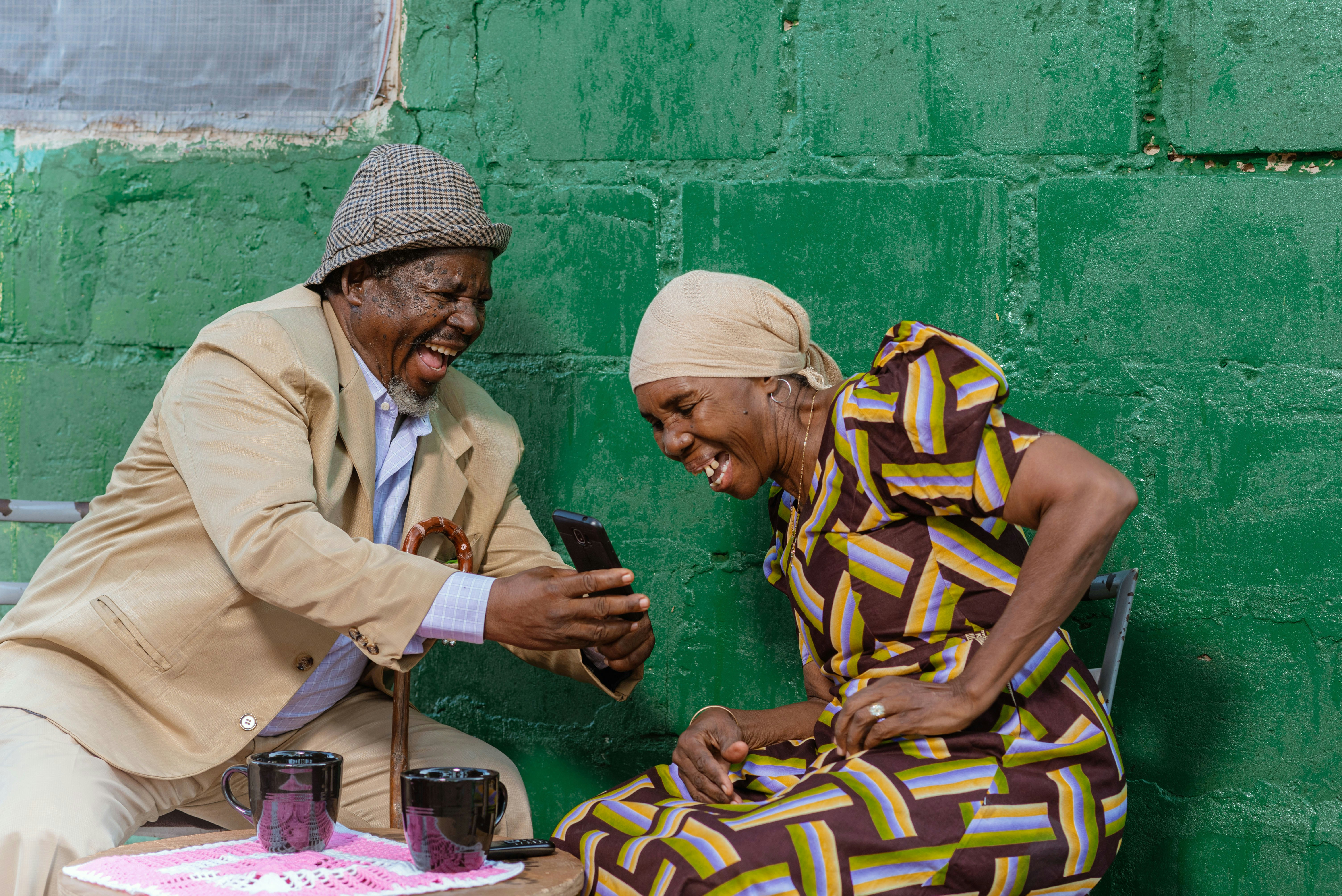
You're not being vain. You're being human. Telling your stories to kids, grandkids, neighbors, or a notebook keeps you real. It's not about bragging. It's about saying: "Here's what I learned. Take what helps." One person who listens? That's legacy. [9] Try this: tell one short story from your 20s to someone under 30 this week. Watch how they listen.
🌿 Who you are without all the roles (parent, worker, partner)
You've been a mom, a boss, a spouse, a helper. Now you ask: "Who am I underneath all that?" The answer often gets simpler and stronger. Not "what I did" but "how I treated people." Not "famous" but "faithful." [10] Journal prompt: finish this sentence "Without any job or family title, I am someone who…"
✨ Small moments become huge
Big achievements fade. A quiet morning? That stays. People over 75 often say their deepest joy comes from: a warm cup of tea by a window, a phone call that lasts 10 minutes, hearing "I love you" one more time. [11] What's one small moment today you can actually notice instead of rush through?
A quiet space for your voice
Anonymous · held with care
⚖️ Pride and humility holding both without fighting
You can be proud and humble at the same time. Proud of raising children, humble about not being perfect. Proud of working hard, humble about needing help. That balance is wisdom not many get there early. You're here now. [12]
🕯️ Thinking about the end without fear (it's possible)
Let's talk plainly. At this stage, you think about death. That's normal. Some feel peaceful; some still struggle. Both are okay. The goal isn't "no fear." The goal is "complete enough." A powerful inner sentence: "My life mattered. Not to everyone. But in its own way. And that's enough." [13]
About this article: This educational guide was written by Shobini Padmanapan, an independent wellness writer and editorial researcher at SoulSpace. It synthesizes publicly available research on late-life integration, ego integrity, and life review.
Scope: Educational and informational only. Not clinical advice, diagnosis, or treatment.
Author profile: soulspaceguide.com/author-shobini.html
Answers to questions you might carry
It's not sadness, it's sense-making. Psychologists call it a natural developmental task. Your mind weaves scattered memories into one coherent story to find meaning and peace. [2]
By saying "yes, I have regrets, but they are not my whole life." Forgiving yourself and others lightens the load, improves sleep, and reduces anger. [5]
Integration means "it was hard, but meaningful." Despair feels like "it was all wasted." Reflection + connection + self-compassion lead to integration. [3]
How alone do you feel now?
🌙 After readingEducational Disclaimer: This article is written by Shobini Padmanapan, a wellness and personal growth writer at SoulSpace, for educational and self-reflection purposes only. It explores late-life integration, life review, regret, and self-forgiveness using accessible psychology concepts and reflective frameworks.
Scope & Boundaries: This content does not constitute clinical mental health advice, psychological diagnosis, or medical treatment. If you are experiencing distress, please consult a qualified healthcare or mental health professional.
Author Profile: soulspaceguide.com/author-shobini.html
References
- Erikson, E. H., & Erikson, J. M. (1997). The Life Cycle Completed: Extended Version. W. W. Norton & Company.
- Erikson, E. H. (1950). Childhood and Society. W. W. Norton & Company.
- Westerhof, G. J., & Bohlmeijer, E. T. (2014). Celebrating fifty years of research and applications in reminiscence and life review: State of the art and new directions. Journal of Aging Studies, 29, 107–114. doi.org/10.1016/j.jaging.2014.02.003
- Butler, R. N. (1963). The life review: An interpretation of reminiscence in the aged. Psychiatry, 26(1), 65–76. doi.org/10.1080/00332747.1963.11023339
- Neff, K. D. (2003). The development and validation of a scale to measure self-compassion. Self and Identity, 2(3), 223–250. doi.org/10.1080/15298860309027
- Allen, A. B., & Leary, M. R. (2010). Self-compassion, stress, and coping. In Self-Compassion: The Proven Power of Being Kind to Yourself (pp. 89–106). Guilford Press.
- Brown, B. (2010). The Gifts of Imperfection: Let Go of Who You Think You're Supposed to Be and Embrace Who You Are. Hazelden Publishing.
- Toussaint, L., & Webb, J. R. (2005). Gender differences in the relationship between empathy and forgiveness. The Journal of Social Psychology, 145(6), 673–685. doi.org/10.3200/SOCP.145.6.673-686
- Randall, W. L., & Kenyon, G. M. (2001). Ordinary Wisdom: Biographical Aging and the Journey of Life. Praeger Publishers.
- McAdams, D. P. (2001). The psychology of life stories. Review of General Psychology, 5(2), 100–122. doi.org/10.1037/1089-2680.5.2.100
- Vaillant, G. E. (2002). Aging Well: Surprising Guideposts to a Happier Life from the Landmark Harvard Study of Adult Development. Little, Brown and Company.
- Ardelt, M. (2004). Wisdom as expert knowledge system: A critical review of a contemporary operationalization of an ancient concept. Human Development, 47(5), 257–285. doi.org/10.1159/000079154
- Wong, P. T. P. (2012). From logotherapy to meaning-centered counseling and therapy. In The Human Quest for Meaning: Theories, Research, and Applications (2nd ed., pp. 619–647). Routledge. doi.org/10.4324/9780203146286
Citations are for educational and commentary purposes only under fair use. All referenced works remain the intellectual property of their respective authors and publishers. SoulSpace does not claim ownership of any cited content.
Found this helpful? Share it with someone who needs it.
Written by Shobini Padmanapan · SoulSpace
Before you go...
How did this article make you feel? Your small reaction helps this space grow with more meaningful stories. 💛
Be the first to share your thoughts anonymously or with a name.